
Sleeping on your stomach is a position adopted by about 7 to 10% of adults. Although it may limit snoring or provide a sense of security, it puts a strain on the spine. An ill-suited mattress can cause lower back pain, neck tension, or non-restorative sleep.
Why a good mattress is essential for stomach sleepers?
Sleeping on your stomach is the most demanding position for the spine. The body’s weight concentrates on the abdomen, the heaviest area and the least “supported” by the skeleton: if the mattress is too soft, the pelvis sinks, and the lower back arches in hyperlordosis, leading to lumbar tension and painful awakenings. An appropriate mattress must therefore limit excessive curvature of the lower back by preventing the pelvis from sinking, while keeping the pelvis and shoulders aligned.
Beyond the back, the stomach position imposes two specific constraints: pressure on the torso, which must be sufficiently distributed to avoid hindering breathing, and neck twisting, as the head is necessarily turned to the side. A firm and even support, combined with a very thin pillow (or even no pillow), limits these constraints and preserves restorative sleep.
Selection Criteria
1. Firmness
For stomach sleepers, firmness is the most determining criterion. A firm to very firm mattress is essential to prevent the pelvis from sinking and creating excessive lumbar curvature. The heavier you are, the more firmness is required: beyond 80 kg, a very firm model or a high-density pocket spring is necessary to maintain alignment throughout the night.
2. Technology
Three technologies stand out for stomach sleepers. High-density foam offers uniform support and good value for money in the entry-level range. Natural latex combines firmness, breathability, and durability, making it a benchmark for this position. Finally, pocket springs provide dynamic support particularly suited for heavier body types, distributing weight in a targeted manner.
3. Thickness
A minimum of 20 cm in thickness is recommended to ensure effective support. If you weigh more than 70 kg, aiming for 25 to 30 cm guarantees better longevity and prevents the mattress from sagging prematurely under the weight of the pelvis.
4. Comfort Zones
A mattress with 5 or 7 differentiated support zones helps reduce pressure points in the abdomen and chest while enhancing support in the lumbar area. This architecture is particularly beneficial for stomach sleepers who experience tension in the sternum or hips.
5. Budget
A good solution starts from around €400; premium models, made of natural latex or high-end hybrids, range up to €1,000 and beyond depending on size and brand.
Our selection of mattresses for stomach sleepers
1. The Incredible Tediber Mattress
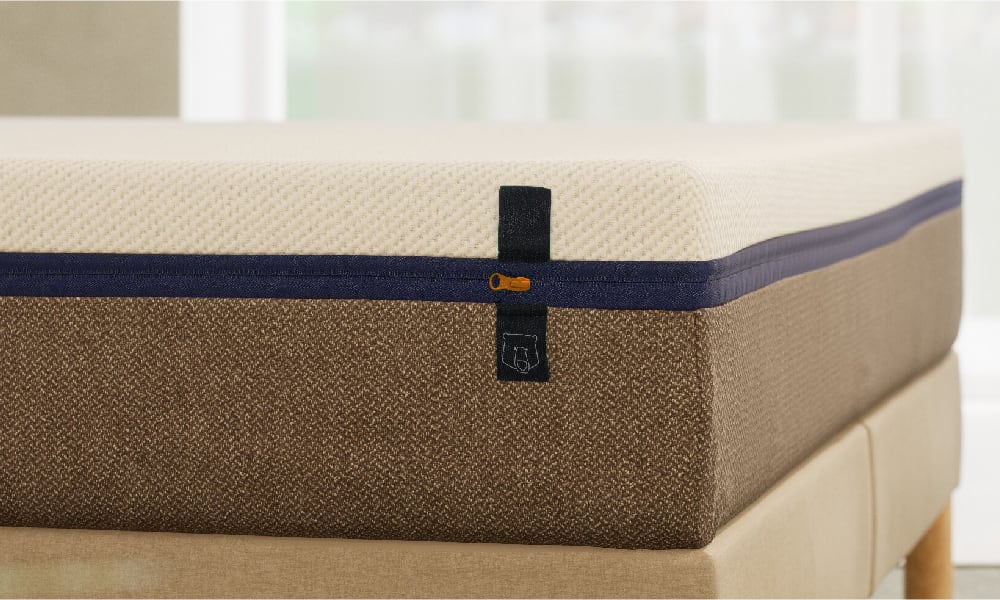
Designed and manufactured in France, the Incredible Tediber Mattress is based on a combination of high-resilience foams and micro-perforated latex, distributed in 7 differentiated support zones. For a stomach sleeper, its main advantage is the controlled firmness of the central zone, which limits the sinking of the pelvis while absorbing thoracic pressure. The breathable cover helps regulate temperature, an important point since the stomach position promotes accumulated body heat. The mattress is offered starting at ~€440 depending on the size.
Discover the Incredible Tediber Mattress on tediber.com2. Emma Hybrid Premium II

The Emma Hybrid Premium II combines pocket springs with a relatively thin memory foam layer, giving it the best of both worlds: dynamic and structured support from the springs, and a slight surface comfort without a “marshy” effect. This compromise makes it a solid choice for stomach sleepers weighing over 80 kg, for whom a purely foam mattress might sag under the weight of the pelvis. Spinal support is highly rated in independent tests.
Search for the Emma Hybrid Premium mattress on Amazon.fr3. Slome (formerly Hypnia) Supreme Well-Being
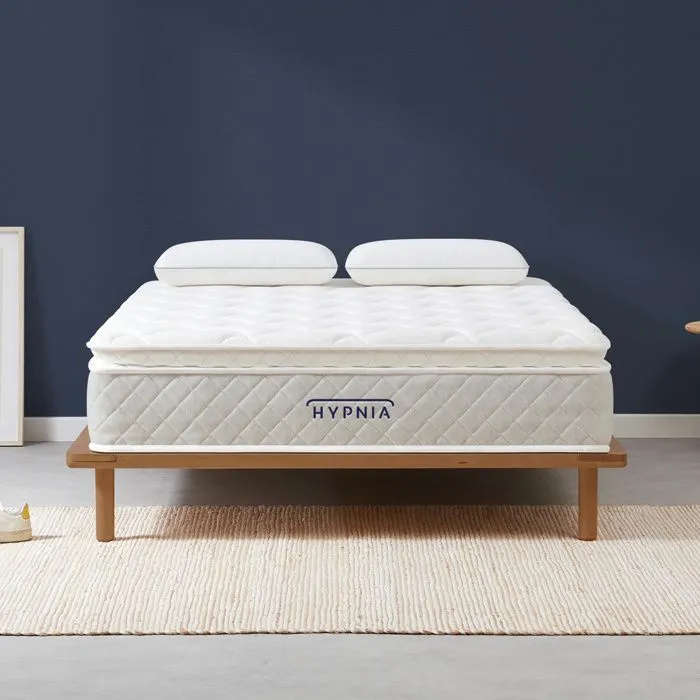
Renamed Slome after the rebranding of Hypnia, this 30 cm thick hybrid mattress combines pocket springs and memory foam on a solid base. Oeko-Tex certified, it offers a very good level of ventilation thanks to its springs, compensating for the tendency of memory foam to retain heat. Its firm support in the lumbar zone makes it suitable for stomach sleepers of average to tall build. Expect to pay starting at ~€755 for the 140 × 190 cm size.
Discover the Slome Supreme Well-Being mattress on slome.fr4. Kipli Natural Latex
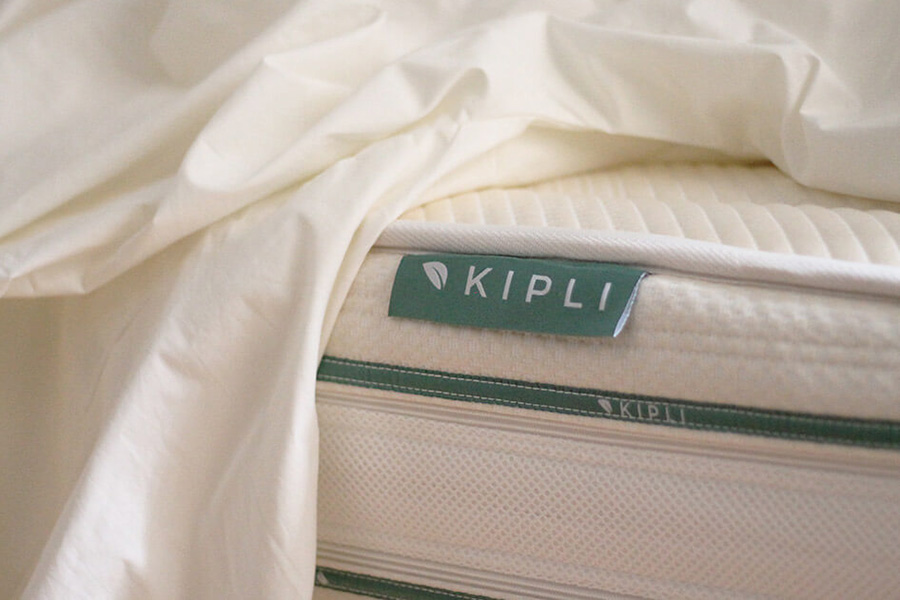
The Kipli mattress is made of 100% natural latex from certified plantations, without petroleum-based foam or springs. Its single-layer firm latex structure provides uniform and immediate support: the pelvis cannot sink locally, which is precisely what a stomach sleeper seeks. Hypoallergenic and naturally breathable, it is particularly suitable for people sensitive to allergens or who get hot at night. Its ethical manufacturing and reduced environmental impact also make it a coherent choice for consumers concerned about sustainability.
Discover the Kipli natural latex mattress on kipli.comExpert Tips
A few simple rules make all the difference for stomach sleepers. Avoid overly soft mattresses: even a comfortable model for back sleeping can be problematic on the stomach if its core is not firm enough. Opt for a flat or ergonomic pillow suitable for this position — a pillow that is too thick is one of the main causes of morning neck tension. Rotate your mattress regularly if it is reversible, to even out wear and extend its lifespan. Finally, air out your bedding every morning and use a breathable mattress protector to limit accumulated moisture, which is even more present in the stomach position. Always consider your weight to adjust the firmness level: the above recommendations are for an average build; above 90 kg, increase the firmness level.
To further assist you in your choice, our complete mattress selection guide will guide you step by step according to your body type, sleeping position, and budget.
View on Amazon