
A good mattress can transform your nights, especially if you suffer from back pain. Too soft, it promotes poor posture. Too firm, it accentuates pressure points. The goal is to find a balance that respects the natural alignment of your spine throughout the night.
Why the mattress is crucial for relieving back pain?
According to INSV, 60% of French people report waking up with back pain. This figure illustrates the direct impact that unsuitable bedding can have on health. The mattress indeed influences four essential parameters: posture during the night, muscle relaxation, blood circulation, and pressure point relief.
A good mattress should keep the spine aligned and support key areas: neck, back, hips, shoulders. When these areas are not properly supported, the muscles compensate during sleep — hence the stiffness and pain upon waking.
Essential Selection Criteria
1. Firmness
Firmness is often the first criterion mentioned, and for good reason: it determines whether your spine will remain in its natural alignment or not. A mattress that is too firm creates joint tension by pushing the hips and shoulders; a mattress that is too soft allows the pelvis to sag and accentuates the lumbar curve. The table below summarizes the recommendations based on the most common profiles.
| Profile | Recommendation |
|---|---|
| Average build | Medium-firm mattress |
| Large build, back sleeper | Firm mattress |
| Side sleeper | Slightly softer mattress |
2. Technology
Three main families of technologies stand out for relieving back pain:
- Memory foam: contours the body precisely and distributes pressure points; ideal for chronic pain and side sleepers.
- Natural latex: offers supportive bounce and good resilience, with excellent breathability and superior durability (12 to 15 years for a well-maintained model).
- Pocket springs: dynamic support and sleeping independence, particularly suitable for larger individuals or couples with different body types.
Hybrid mattresses — which combine a pocket spring base with a foam or latex comfort layer — now offer the best compromise between support and comfort for those suffering from back pain.
3. Body Type
A mattress must adapt to your weight, height, and sleeping position. A model designed for a person weighing 60 kg will not be suitable for someone weighing 100 kg: the sinking into the comfort layers will be very different, which directly affects spinal alignment. Always check the manufacturer’s weight recommendations before purchasing.
4. Dimensions
For single sleepers, the 90 × 190 cm remains the standard reference, but a 90 × 200 cm is preferable if you exceed 1.80 m. For couples, opt for at least a 140 × 190 cm and prefer the 160 × 200 cm for optimal comfort — each then having a width close to 80 cm individually.
5. Budget
The price of a mattress for back pain varies significantly depending on the materials and technologies used. You should budget starting from ~€400 for decent entry-level models, and between ~€800 and ~€1,500 to access advanced technologies (certified natural latex, quality pocket springs, reinforced thickness) and genuinely prolonged durability. Check out our complete guide to choosing your mattress to delve deeper into each criterion based on your profile.
Our selection of mattresses to relieve back pain
1. The Tediber Hybrid Mattress
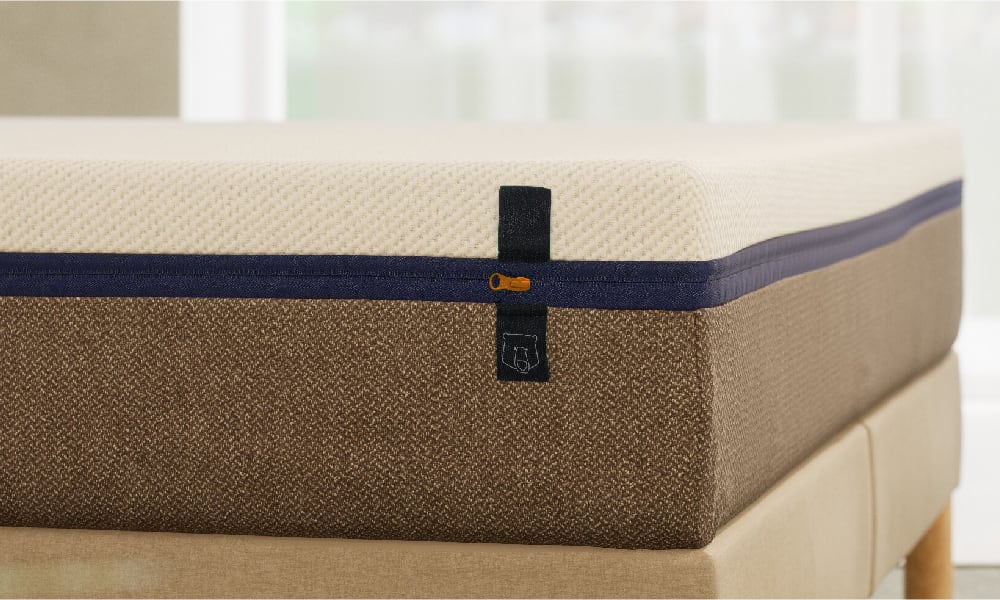
In 2026, Tediber refocused its range around its Hybrid Mattress, which combines pocket springs and foam layers for a medium-firm support particularly suited for back pain. The manufacturing is French, the cover is hypoallergenic, and the model benefits from 100 nights trial and a 10-year warranty. The value for money is particularly interesting during the brand’s frequent promotions.
- Technology: pocket springs + adaptive foams
- Advantages: dynamic support, good sleeping independence, made in France
2. Emma Original II
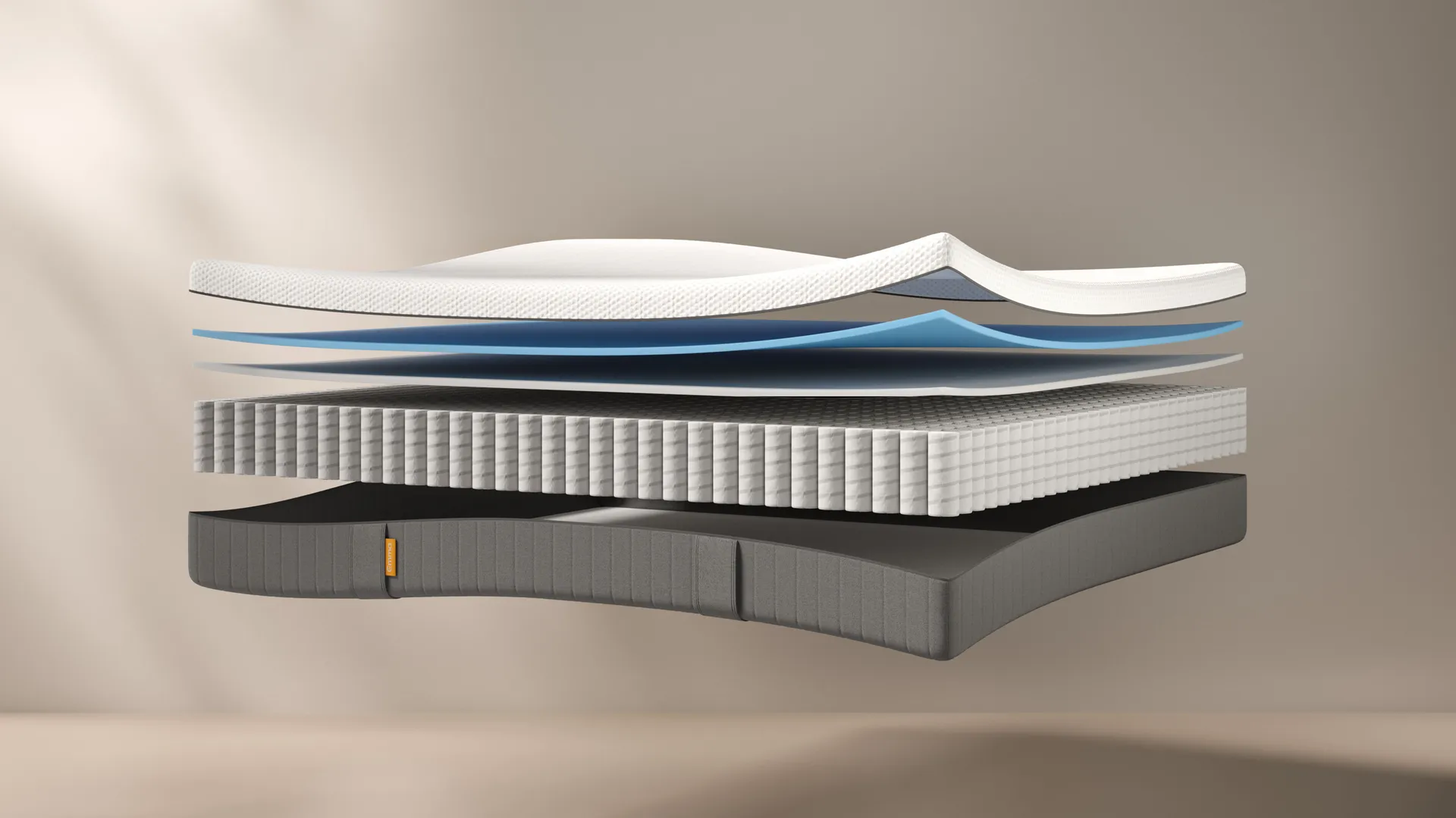
The Emma Original II relies on a combination of Airgocell foam and memory foam to relieve pressure points while keeping the back aligned. Its multi-zone design allows it to adapt to different body shapes, making it a good compromise for people who change positions during the night.
- Technology: Airgocell foam + memory foam
- Advantages: pressure relief, good morphological compromise
3. Slome (formerly Hypnia) Supreme Well-Being
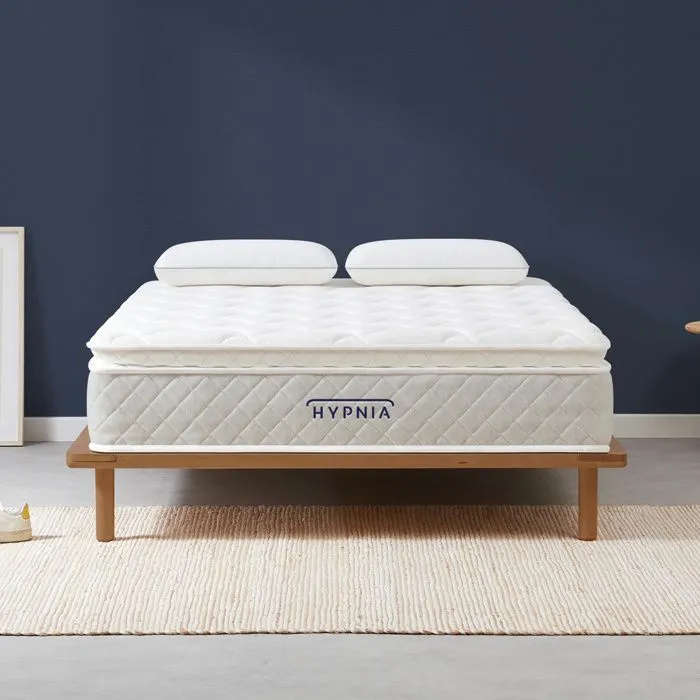
The Supreme Well-Being from Slome (formerly Hypnia) combines a spring structure with a layer of memory foam, providing a soft surface feel and solid back support underneath. Its 30 cm thickness gives it a presence and durability above average.
- Technology: springs + memory foam, 30 cm thick
- Advantages: soft feel, excellent back support
4. Kipli — The Natural Latex Mattress
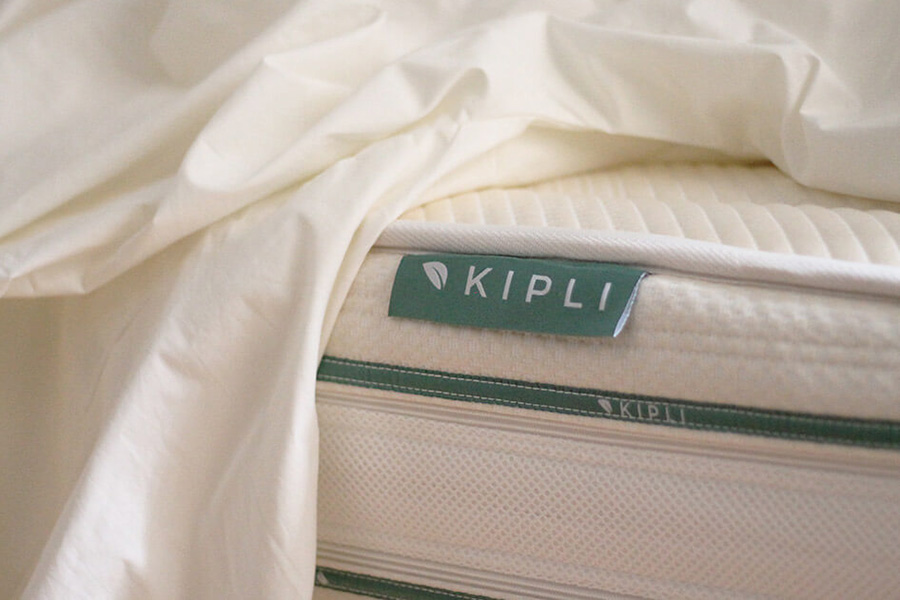
Kipli is the French reference for certified natural latex. Its mattress offers two sides (medium-firm and soft) to adapt to your evolving needs. With a lifespan that can exceed 12 years, it is a sustainable investment, available from ~€799 for a 80 × 190 cm. Ideal for those looking for firm support without a “cocoon” sensation and who tend to get hot at night.
- Technology: 100% certified natural latex, reversible
- Advantages: firm back support, exceptional breathability, eco-design, French manufacturing
5. Someo Songe 500
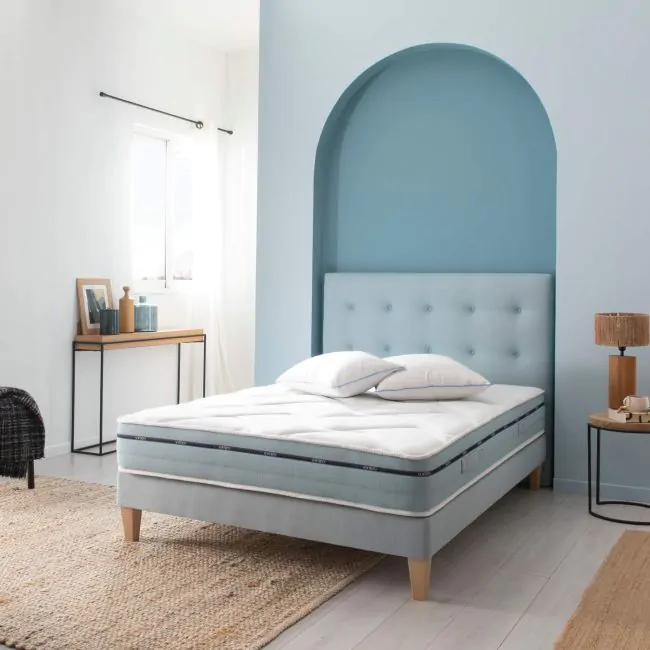
The Songe 500 from Someo features high-density foam with pronounced firmness, ideal for those who need rigorous support for the lower back. Its French manufacturing and accessible pricing make it a serious option for mid-range budgets.
- Technology: high-density foam
- Advantages: firm comfort, good lumbar support, French manufacturing
Expert Tips
Choosing the right mattress is just the first step: you also need to maintain it properly to preserve its supportive properties over time. Remember to rotate your mattress regularly (according to the manufacturer’s recommendations), use a breathable mattress protector that extends the lifespan of the materials, and ventilate your room every morning to eliminate moisture accumulated overnight. Avoid budget models, which generally lack density and lose their support after two or three years — a false friend for your back.
The recommended lifespan of a quality mattress is 8 to 10 years. If indentations are visible or if your pain worsens upon waking before this period, don’t wait: a degraded mattress can no longer fulfill its supportive role, regardless of its original technology. Always take advantage of trial periods (often 100 nights) to ensure that the mattress truly suits your back before committing your budget.
View on AmazonFAQ – Back Pain and Bedding
Which mattress to choose for lower back pain?
For lower back pain, the goal is to maintain the natural curvature of the lower back without creating excessive pressure points. Aim for a medium-firm to firm mattress: too soft, it allows the pelvis to sink and accentuates the lumbar curve; too hard, it creates a void under the lumbar area and muscle tension that perpetuates pain. Memory foam technologies — which conform to hollow areas without allowing the body to sag — and hybrid models with springs + foam offer the best compromise between support and pressure relief. However, the ideal firmness depends on your weight: a light person will find a mattress firm that a heavier person will consider only medium-firm. In the case of chronic or inflammatory lower back pain, seek the advice of a healthcare professional before purchasing.
Should I choose memory foam or latex?
Both technologies relieve back pain, but in different ways, and the choice depends on your comfort sensitivity and sleep habits. Memory foam precisely conforms to the body and distributes pressure points: it is particularly suited for joint pain and side sleepers, at the cost of a more enveloping feel and a slight tendency to retain body heat. Natural latex offers a more buoyant support and better bounce — you sink in less — with excellent breathability and great durability (12 to 15 years for a good model): it’s a wise choice for those who do not like the “cocoon” feel and tend to get hot at night. If you are unsure between the two, a hybrid mattress combines a supportive base of pocket springs and a comfort layer of memory foam or latex, thus offering the best of both worlds.
What mattress for cervical pain?
Cervical pain is influenced as much by the pillow as by the mattress, but the latter has its role: it must provide uniform support, without dips or bumps, so that the shoulders sink just enough to keep the neck aligned with the spine. A mattress that is too firm pushes the shoulder up and tilts the head sideways; a mattress that is too soft misaligns the entire cervical spine. Models with differentiated comfort zones — firmer under the back, more welcoming under the shoulders — are particularly suited for this type of pain. Always pair it with an ergonomic pillow calibrated to your sleeping position: neither too high (back sleepers) nor too flat (side sleepers), to complement the mattress’s action and not negate its benefits.
Firm or soft mattress for back pain?
Contrary to a widely held misconception, a very firm mattress is not always the best choice for the back. What you should aim for is good support — the spine remains in its natural axis — combined with a comfortable feel — the shoulders and hips are not compressed. A mattress that is too hard creates pressure points at the hips and shoulders, disrupts sleep, and can even awaken pain by forcing the muscles to compensate; a mattress that is too soft allows the body to sag into a banana shape and perpetuates poor postures. The ideal adjustment depends on your body type and favorite sleeping position: the heavier you are, or the more you sleep on your side, the more you need a generous surface comfort on a firm support base.
How often should you change your mattress if you have back pain?
You should change your mattress as soon as it shows visible sagging (a dip of more than 2 cm), springs that creak or can be felt through the surface, or if back pain appears or worsens upon waking when it was absent or stable. Generally, a quality mattress is renewed every 8 to 10 years, but some natural latex models can last 12 to 15 years with proper care (regular rotation, quality mattress protector). A degraded mattress can no longer provide its supportive role, regardless of the technology it is made of: do not delay in taking action if your nights are deteriorating.
How to test a mattress before buying to ensure it suits my back?
Most online brands offer home trial periods of at least 100 nights, which is the most reliable method to assess a mattress’s effect on your pain: a few minutes spent in-store do not allow for a true evaluation of support during a full night. During the first two weeks, your body adjusts to the new mattress — it is normal to feel a slight difference, even some temporary soreness. It is from the third week that you can truly assess whether the pain upon waking diminishes. If it persists or worsens after a month, exercise your right to exchange or refund before the trial period expires.