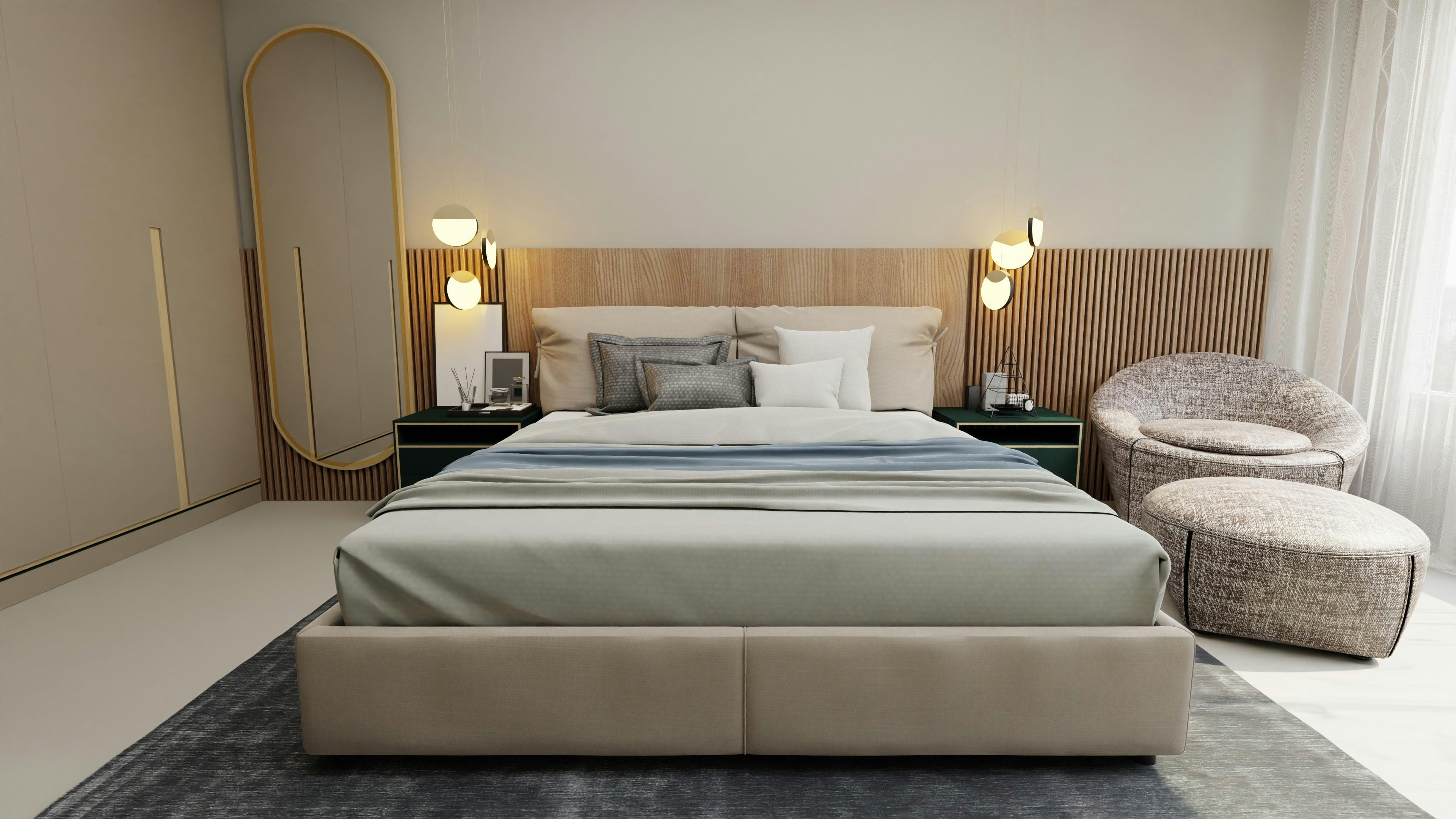
The memory foam mattress has revolutionized the way we sleep. Designed to conform to the body’s curves, it promises precise support, enveloping comfort, and better sleep quality. But with the multitude of options available, how can you be sure to make the right choice? This comprehensive guide helps you understand the benefits of memory foam mattresses, decipher essential criteria, and find the model that suits your needs.
Why choose a memory foam mattress?
An adaptive mattress for better sleep
Memory foam, also known as viscoelastic foam, reacts to body heat to soften and precisely conform to your shape. It offers:
- A reduction in pressure points (hips, shoulders)
- Optimal spinal alignment
- Improved blood circulation
- Customized comfort, ideal for sensitive sleepers
Health benefits
According to the National Institute of Sleep and Vigilance (INSV), a suitable mattress can reduce micro-awakenings and back pain. For individuals suffering from back pain or sleep disorders, memory foam mattresses are often recommended by sleep professionals. Also, check out our guide to mattresses for back pain for more information.
Important selection criteria
- Foam density
- < 40 kg/m³: entry-level, limited comfort
- 40–60 kg/m³: good comfort/support compromise
60 kg/m³: high-end, precise support, increased durability
- Total thickness and foam thickness
A memory foam mattress should have at least 5 cm of viscoelastic foam for a true “memory” effect. The total thickness can range from 18 to 30 cm depending on the models. - Firmness level
- Soft: for lighter individuals or those who prefer a plush feel
- Medium: versatile, suitable for most
- Firm: for heavier individuals or those suffering from back pain
- Hybrid or 100% foam technology
Some mattresses combine memory foam and pocket springs for better dynamic support and ventilation. - Breathability
Memory foam can retain heat. Opt for models with ventilated foam, thermoregulating fabric, or air channels. - Budget
- Entry-level: €200–400
- Mid-range: €400–800
- High-end: €800 and above
Our product recommendations
1. Emma Original II
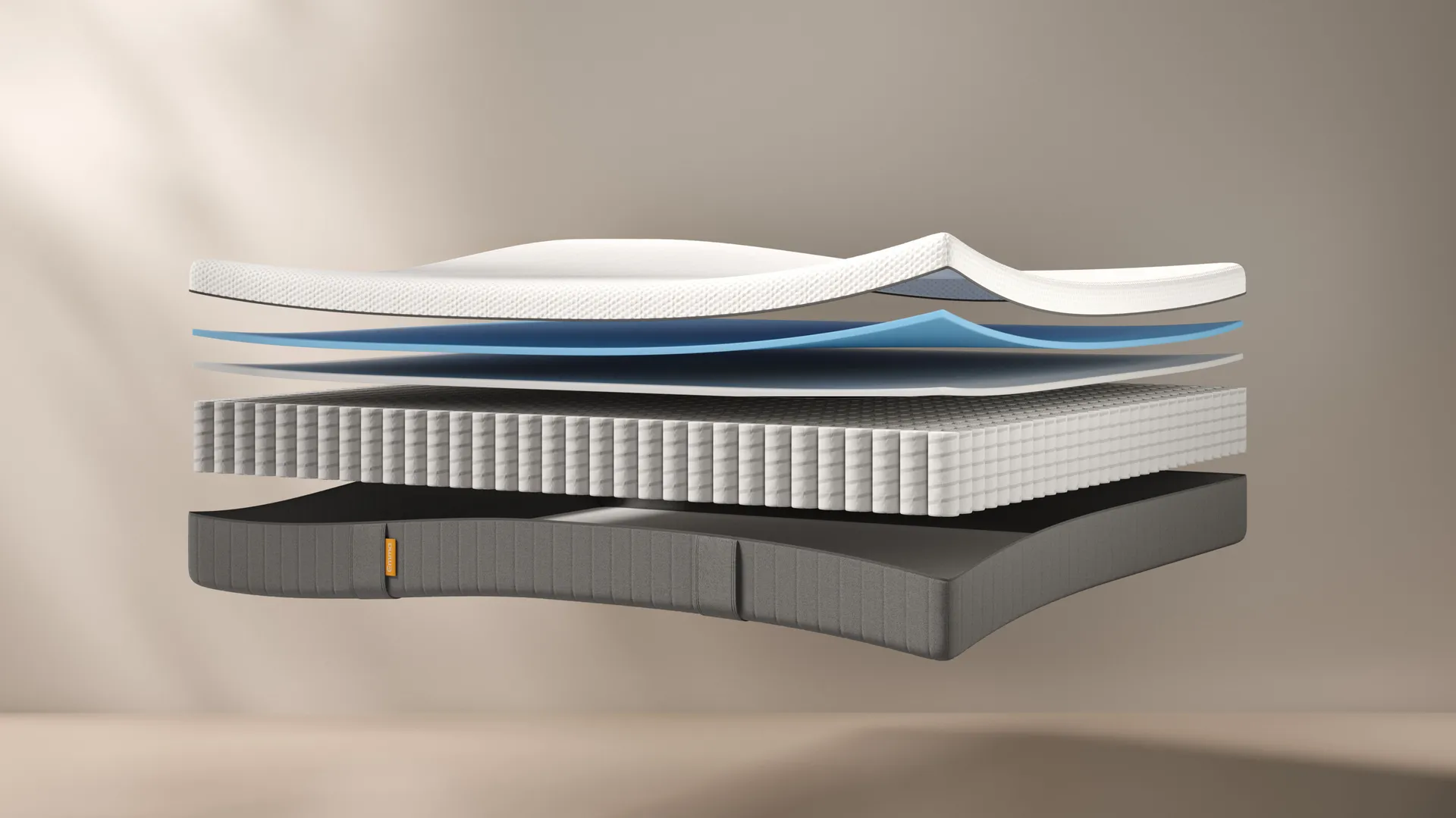
A well-balanced classic for all sleepers.
- Description: three-layer foam mattress with one layer of memory foam
- Advantages: universal comfort, good value for money, washable cover
- View the Emma Original II mattress on Amazon
2. Slome (formerly Hypnia) Supreme Well-Being
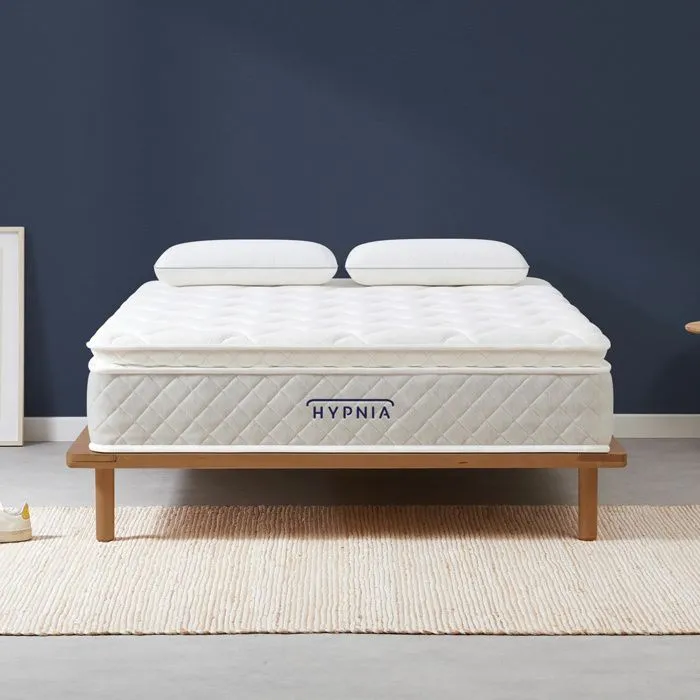
The best choice for back pain.
- Description: 30 cm thick, memory foam + pocket springs
- Advantages: ergonomic support, sleeping independence, breathability
- View on hypnia.fr
3. Tempur Pro® Plus SmartCool™
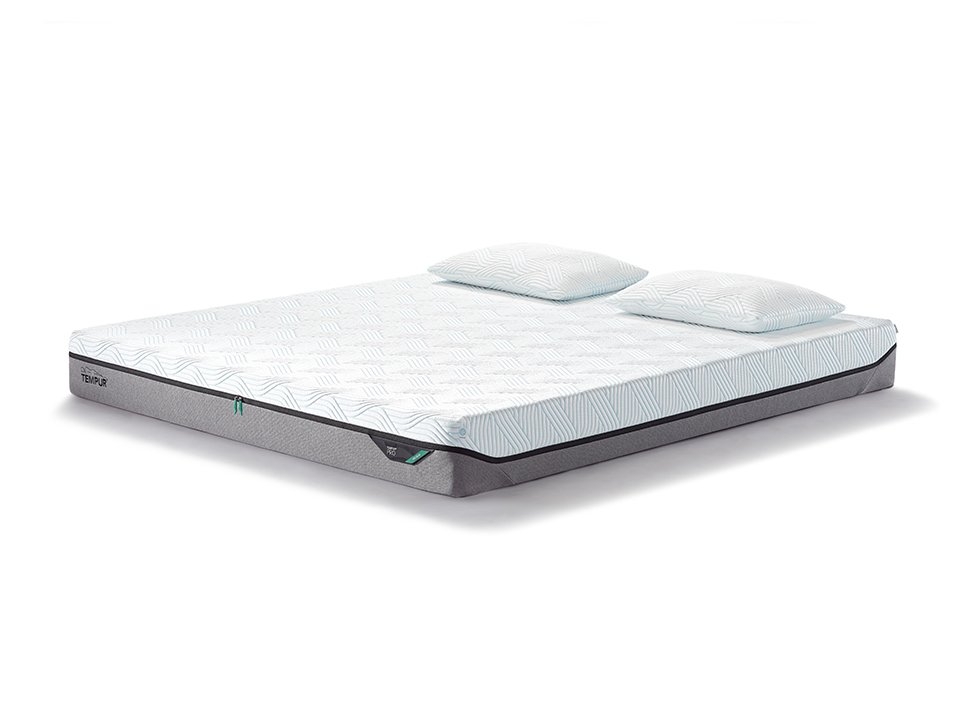
A high-end 100% memory foam mattress, made in Denmark.
- Description: Tempur viscoelastic foam with SmartCool™ cooling cover
- Advantages: exceptional morphological adaptation, maximum pressure point reduction, European manufacturing, multiple firmness levels
- View on tempur.com
4. Mello Relax
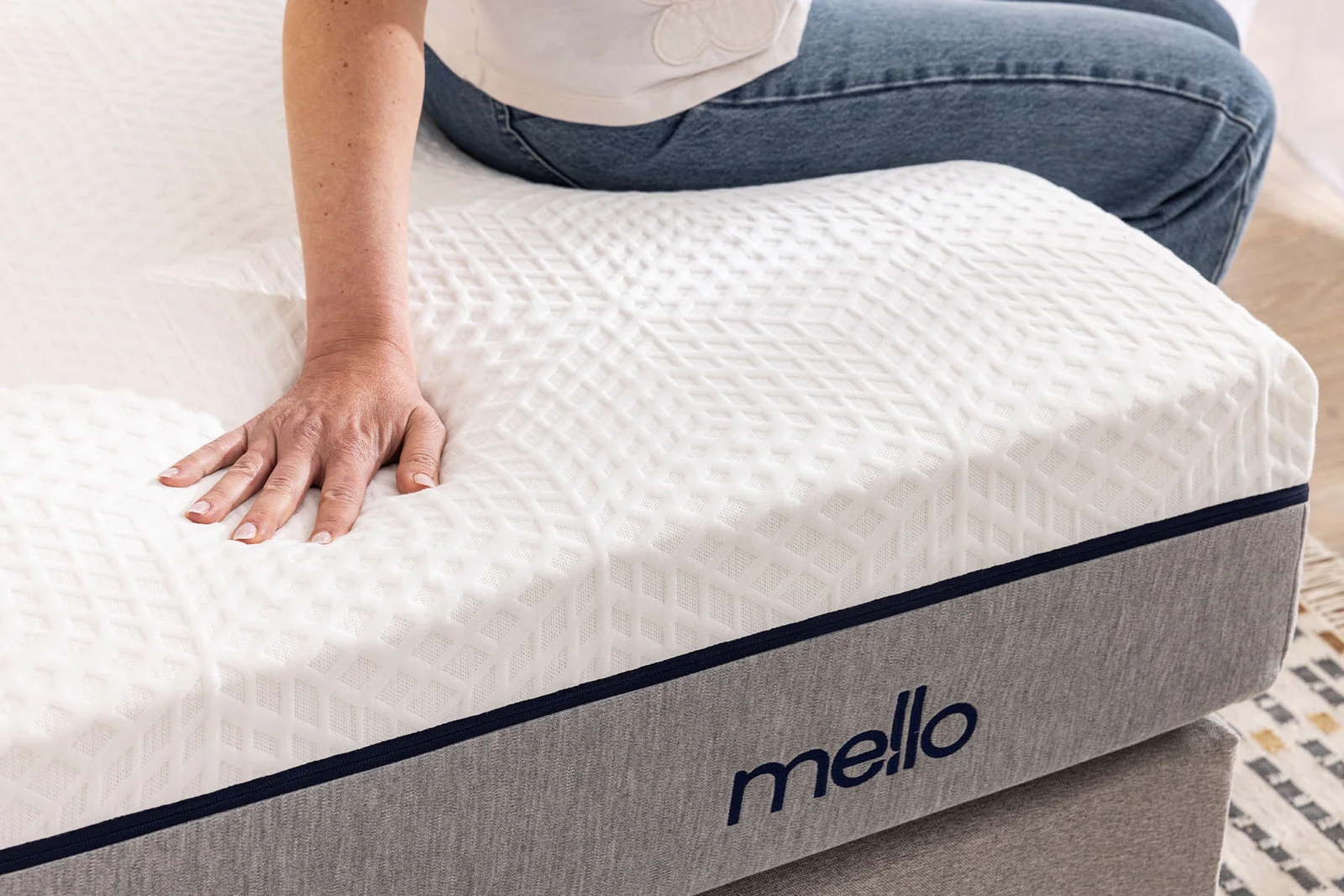
An affordable and reliable option for a small budget.
- Description: high resilience foam and memory foam
- Advantages: plush comfort, good support, fast delivery
- View on mello-matelas.fr
5. SOMEO Dream 500 Memory Foam
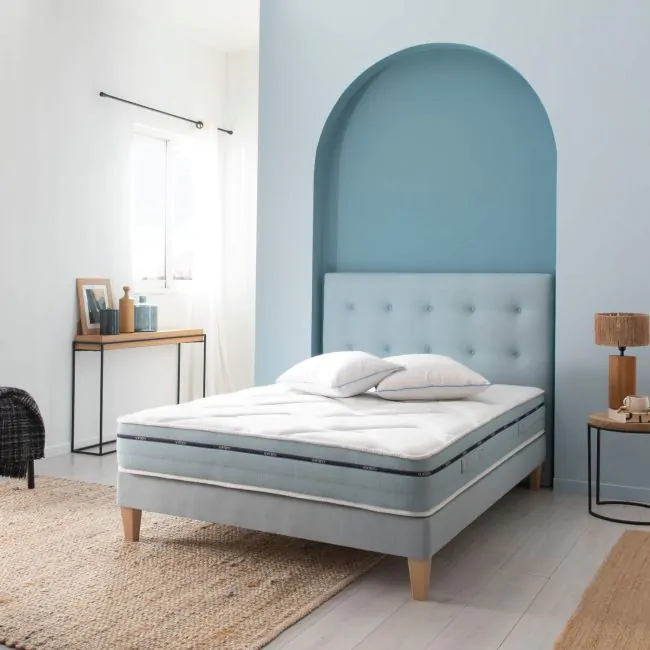
A French alternative that combines comfort, support, and breathability.
- Description: hybrid mattress combining memory foam and pocket springs, 25 cm thick.
- Advantages: adapted morphological support, sleeping independence, optimal ventilation thanks to springs, French manufacturing.
Expert advice
Mistakes to avoid
- Choosing solely based on price
- Neglecting foam density or thickness
- Forgetting to test the firmness suitable for your morphology
- Ignoring warranties and trial periods
Maintenance tips
- Use a suitable bed base (slats or upholstered)
- Air the mattress regularly
- Clean the cover (if removable) every 3 months
- Rotate the mattress head/foot every 2 months
For which profiles?
- Sensitive sleepers: soft mattress with thick memory foam
- Couples: foam + pocket springs for sleeping independence
- People with back pain: dense foam with firm support