The memory foam mattress has revolutionized the way we sleep. Designed to contour to the body’s curves, it promises precise support, enveloping comfort, and improved sleep quality. But with the multitude of options available, how can you be sure to make the right choice? This comprehensive guide helps you understand the benefits of memory foam mattresses, decode the essential criteria, and find the model suited to your needs.

Why choose a memory foam mattress?

An adaptive mattress for sleep

Memory foam, also known as viscoelastic foam, reacts to the body’s heat to soften and precisely conform to your shape. It offers:

  • A reduction in pressure points (hips, shoulders)
  • Optimal spinal alignment
  • Improved blood circulation
  • Custom comfort, ideal for sensitive sleepers

Health benefits

According to the National Institute of Sleep and Vigilance (INSV), an appropriate mattress can reduce micro-awakenings and back pain. For individuals suffering from back pain or sleep disorders, memory foam mattresses are often recommended by sleep professionals. Also, check out our guide to mattresses for back pain for more information.

Important selection criteria

  1. Foam density
    • < 40 kg/m³: entry-level, limited comfort
    • 40–60 kg/m³: good compromise between comfort/support
    • 60 kg/m³: high-end, precise support, increased longevity

  2. Total thickness and foam
    A memory foam mattress should have at least 5 cm of viscoelastic foam for a true “memory” effect. Total thickness can range from 18 to 30 cm depending on the models.
  3. Firmness level
    • Soft: for lighter individuals or those who prefer a plush feel
    • Medium: versatile, suitable for most
    • Firm: for heavier individuals or those with back pain
  4. Hybrid or 100% foam technology
    Some mattresses combine memory foam and pocket springs for better dynamic support and ventilation.
  5. Breathability
    Memory foam can retain heat. Prefer models with ventilated foam, thermoregulating covers, or air channels.
  6. Budget
    • Entry-level: €200–400
    • Mid-range: €400–800
    • High-end: €800 and above

Our product recommendations

1. Emma Original II
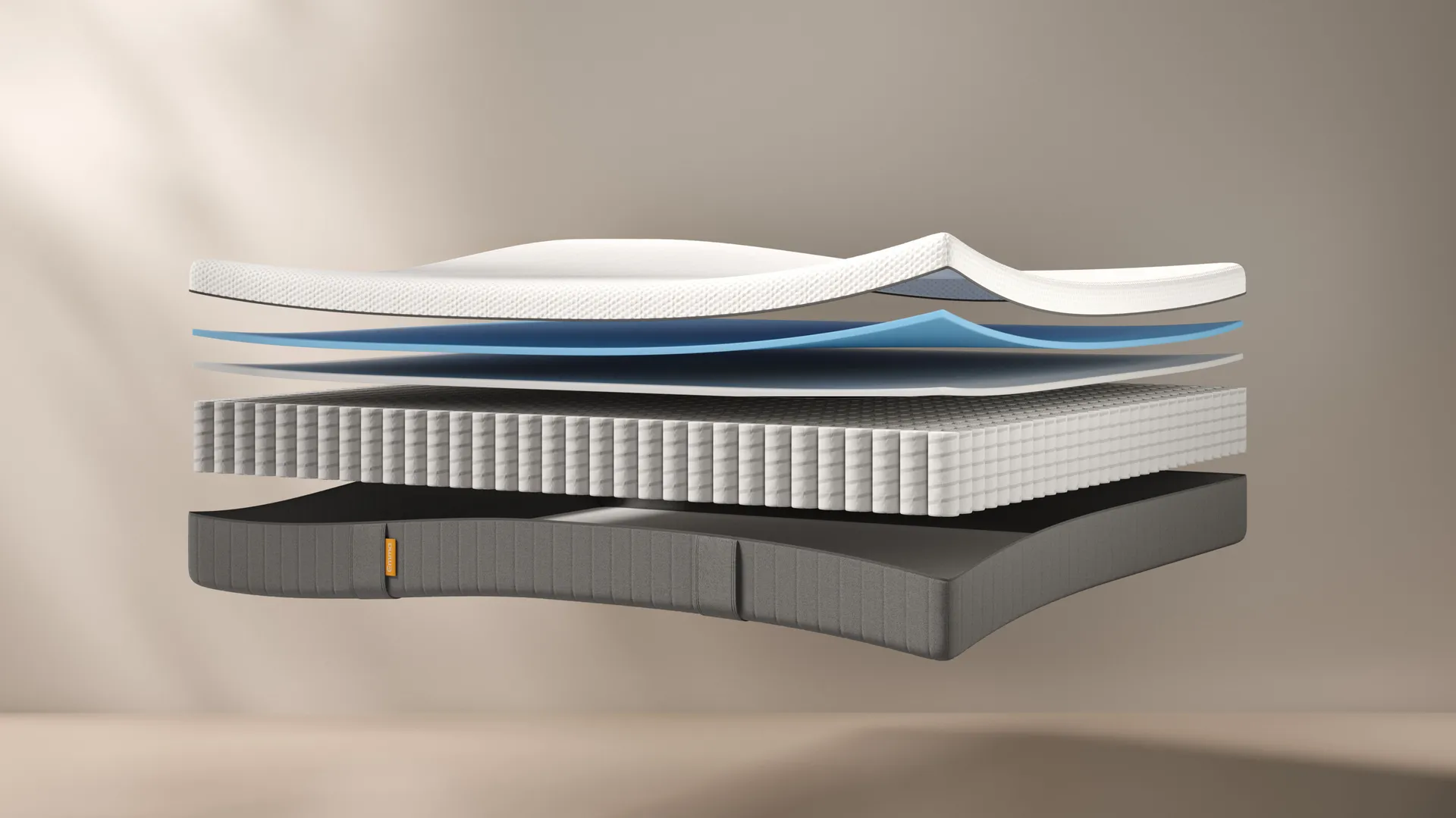
Emma Original Ii

A well-balanced classic for all sleepers.

  • Description: three-layer foam mattress with one layer of memory foam
  • Advantages: universal comfort, good value for money, washable cover, 100-night trial, and 10-year warranty
View the Emma Original mattress on Amazon View the Emma Original II Plus mattress on Amazon

2. Slome (formerly Hypnia) Supreme Well-Being
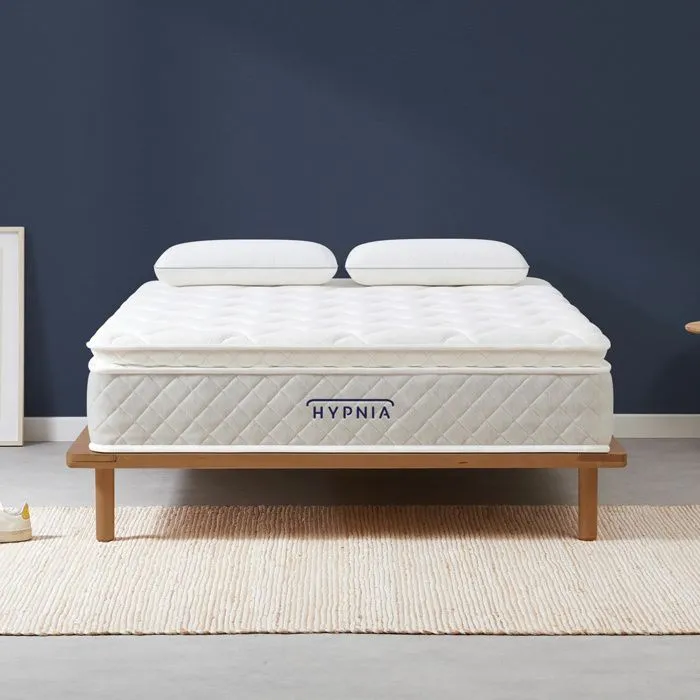
Hypnia Matelas Bien Etre Supreme 140 X 190 Cm 738e

The best choice for back pain.

  • Description: 30 cm thick, memory foam + pocket springs
  • Advantages: ergonomic support, independence of sleeping, breathability, 120-night trial, 15-year warranty
  • Indicative price: starting from ~€430 in 140x190 (frequent promotions)
Discover the Slome (formerly Hypnia) Supreme Well-Being mattress

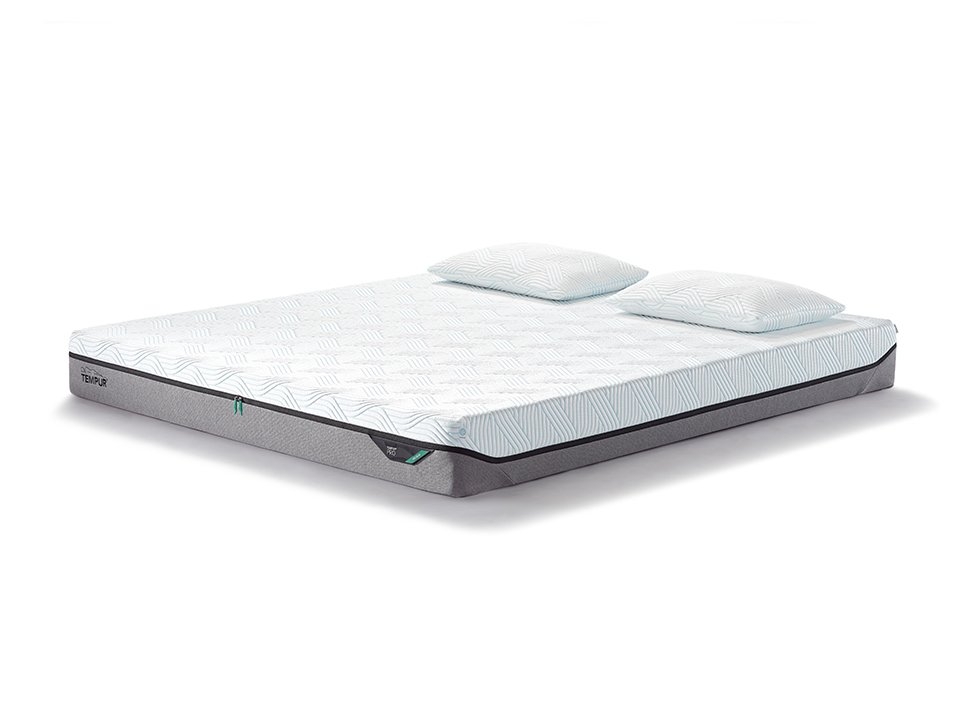
3. Tempur Pro® Plus SmartCool™

Tempur Pro Smartcool

A high-end 100% memory foam mattress, made in Denmark.

  • Description: Tempur viscoelastic foam with SmartCool™ cooling cover
  • Advantages: exceptional morphological adaptation, maximum reduction of pressure points, European manufacturing, multiple firmness levels
  • Indicative price: high-end, starting from around €2,000 (depending on size and firmness)
Discover the Tempur Pro SmartCool on tempur.com

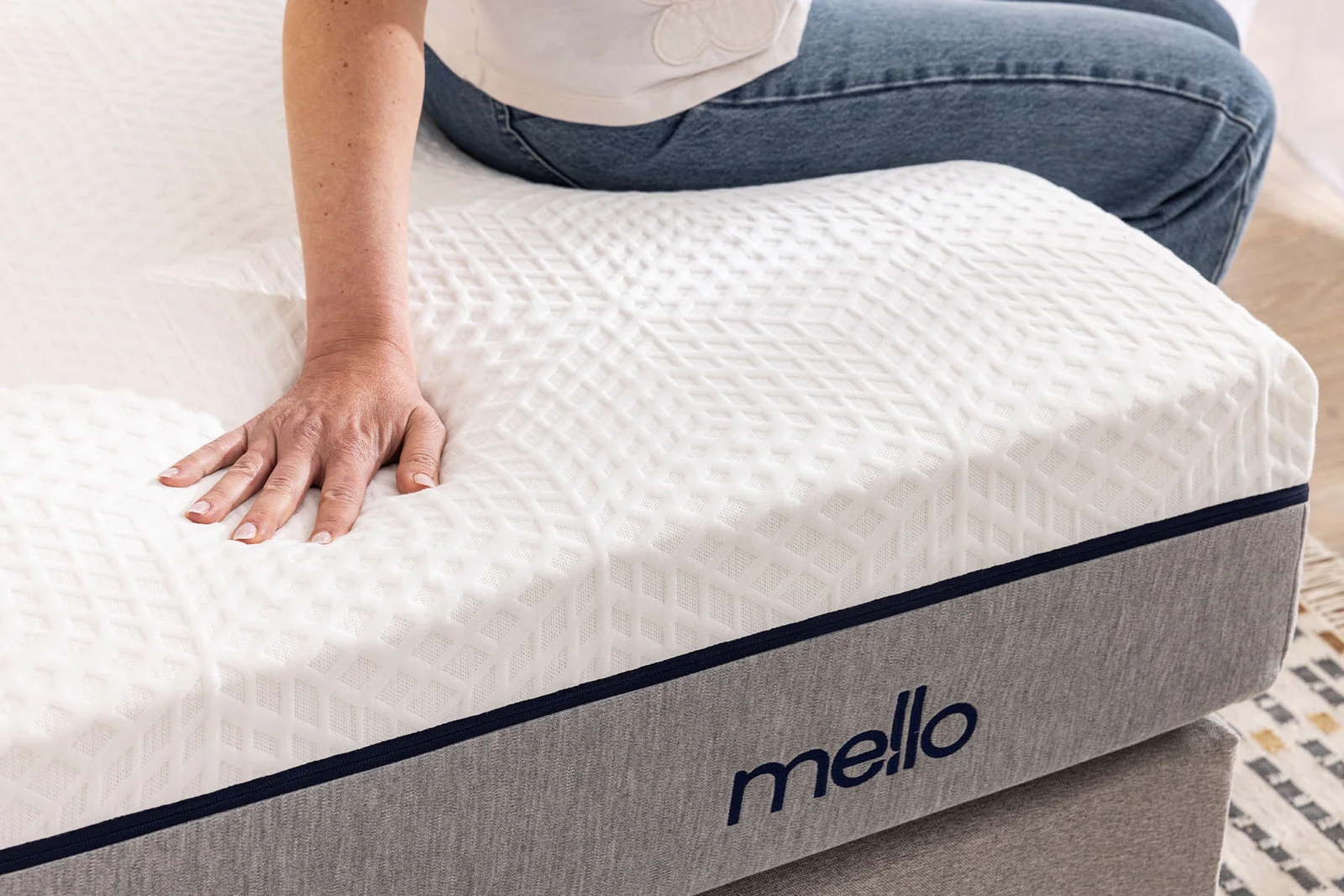
4. Mello Relax

Relax Web 02 1600x

An affordable French option, made in the Vosges.

  • Description: high resilience and memory foam, OEKO-TEX certifications
  • Advantages: plush comfort, good support, 100-night trial, French manufacturing
  • Note: model may occasionally be temporarily out of stock — check availability before ordering
View the Mello Relax mattress on mello-matelas.fr

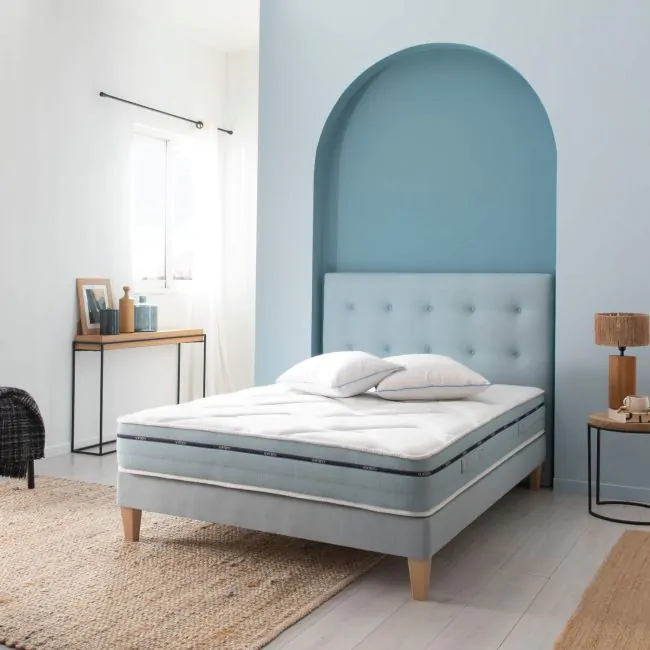
5. SOMEO Dream 500 Memory Foam

Songe 500 Ambiance Jpg

A French alternative that combines comfort, support, and breathability.

  • Description: hybrid mattress combining memory foam and pocket springs, 25 cm thick.
  • Advantages: adapted morphological support, independence of sleeping, optimal ventilation thanks to the springs, French manufacturing.
View on Amazon

Expert advice

Mistakes to avoid

  • Choosing solely based on price
  • Neglecting the density or thickness of the foam
  • Forgetting to test the firmness suited to your morphology
  • Ignoring warranties and the trial period

Maintenance tips

  • Use an appropriate bed base (slats or box spring)
  • Air out the mattress regularly
  • Clean the cover (if removable) every 3 months
  • Rotate the mattress head/foot every 2 months

For which profiles?

  • Sensitive sleepers: soft mattress with thick memory foam
  • Couples: foam + pocket springs for sleeping independence
  • People with back pain: dense foam with firm support

FAQ

Does the memory foam mattress get too hot?Classic viscoelastic foam tends to retain body heat, as its dense structure limits air circulation. This is one of the main criticisms of this technology. Fortunately, manufacturers have significantly improved the breathability of their foams in recent years: ventilated foams with micro-channels, gel-infused, thermoregulating covers (Tencel, Outlast, Tempur's SmartCool). For sleepers sensitive to heat, prefer a hybrid mattress (foam + pocket springs) that combines the enveloping nature of foam with the natural ventilation of springs. Avoid 100% foam models over 20 cm thick without an explicit ventilation system.
Is it suitable for all sleepers?Yes, the memory foam mattress adapts to most profiles, provided you choose the density and firmness according to your morphology. Lighter individuals (under 60 kg) should prefer a soft and low-density foam (35–45 kg/m³) to avoid feeling like they are sleeping on a surface that is too hard. Standard weight individuals (60–90 kg) will find their comfort around 50 kg/m³ with medium firmness. Individuals over 90 kg must opt for high-density foam (60+ kg/m³) and a firm mattress to avoid premature sagging. Only sleepers who sweat a lot or prefer a dynamic bounce might prefer latex or a hybrid.
What is the average lifespan?A quality memory foam mattress lasts on average between 8 and 12 years, compared to 6 to 8 years for entry-level models. The density of the foam is the main factor in longevity: below 40 kg/m³, sagging can occur as early as the 4th year, especially for heavier sleepers. Above 60 kg/m³, the lifespan can reach 15 years with good maintenance. To prolong the life of your mattress: use an appropriate bed base, never fold it, rotate it head-to-foot every 2 to 3 months (without flipping it face/back for non-reversible models), and protect it with a waterproof and breathable mattress protector. Also, check out our [guide to extending the lifespan of a mattress](/fr/conseils/entretenir-literie/comment-prolonger-duree-vie-matelas/).
Can I use a spring bed base?This is not ideal. Most memory foam mattress manufacturers recommend a fixed slatted base (solid slats, spaced no more than 4 cm apart) or a box spring. A spring bed base creates a double "bounce" effect that can disrupt the characteristic enveloping of viscoelastic foam, accelerate its wear, and negate the ergonomic benefits sought. Worse still, an old metal spring bed base (type Pirelli) with noisy or loosened springs can reduce the lifespan of the mattress and even void the warranty of some manufacturers. If you wish to keep your spring bed base, explicitly check in the mattress documentation that it is allowed.
Is a memory foam mattress suitable for side sleepers?Yes, it is even one of its best applications. The viscoelastic foam conforms to the shoulder and hip, reducing pressure points on these sensitive areas. Choose a soft to medium model so that the foam sinks enough to keep the head and neck aligned with the spine.