Sleep Position, the First Anti-Snoring Lever
Sleep on Your Side Rather Than on Your Back
This is the most unanimously recommended advice and one of the most effective. The lateral position alone can reduce snoring by 50 to 70%, as it prevents the tongue and soft tissues from collapsing backward into the throat. Sleep specialists consider sleeping on the side to be the best position for reducing so-called “positional” snoring.
The problem is that the body spontaneously repositions itself during the night, often without us noticing. The solution therefore involves gentle mechanical aids: a pillow placed behind the back to prevent rolling over, or a side sleeper pillow specifically designed to maintain the side position.
Slight Elevation of the Head
Raising the head of the bed by 10 to 15 cm can significantly reduce the intensity of snoring by facilitating the drainage of nasal secretions and partially clearing the airways. This effect can be achieved either by adjusting the slats of an adjustable bed frame or by choosing a pillow of the right height — which naturally leads us to the choice of the right sleeping accessory.
Avoid Sleeping on Your Stomach
The stomach position, often adopted by sleepers trying to avoid back sleeping, forces an extreme rotation of the neck, which can paradoxically compress the airways. It is also very bad for the cervical spine. If you tend to roll onto your stomach, a body pillow — long bolster or knee pillow — can help you stay comfortably on your side.
Find a body pillow or bolster to maintain the side position on AmazonThe Pillow: An Often Underrated Role
Height and Cervical Support
The pillow directly affects the alignment of the neck and throat during sleep. A pillow that is too flat allows the head to sink and closes the airways; a pillow that is too thick hyper-flexes the neck and produces the same effect. The ideal pillow maintains the head in the natural extension of the spine, regardless of your preferred side.
For side sleepers — which should be the norm for snorers — a medium to high pillow is generally recommended to fill the space between the shoulder and the head without creating tension.
Pillows Specifically Designed Against Snoring
There are specific cushions that encourage the side position, preventing easy rolling onto the back. Some models incorporate a central ridge that makes back sleeping uncomfortable, thus encouraging the sleeper to naturally pivot during the night. Others adopt an asymmetrical ergonomic profile or are made from memory foam materials that conform to the contours of the head and neck to maintain optimal alignment.
These specialized pillows are often made from visco-plant memory foam, formulated to encourage the sleeper to position themselves on their side. However, their effectiveness is conditional: an anti-snoring pillow is truly useful if snoring primarily occurs in the back position. If snoring persists in all positions, other anatomical or physiological factors are likely at play and warrant the advice of a specialist.
Maintenance and Renewal
A pillow that is several years old accumulates dust, mites, and moisture, which can worsen nighttime nasal congestion and therefore snoring. Renewal every two to three years, combined with the regular use of a washable pillowcase, helps maintain a healthy sleep environment.
Discover anti-snoring memory foam pillows available on AmazonThe Mattress: A Factor of Overall Comfort That Affects Snoring
Body Support Promotes Good Position
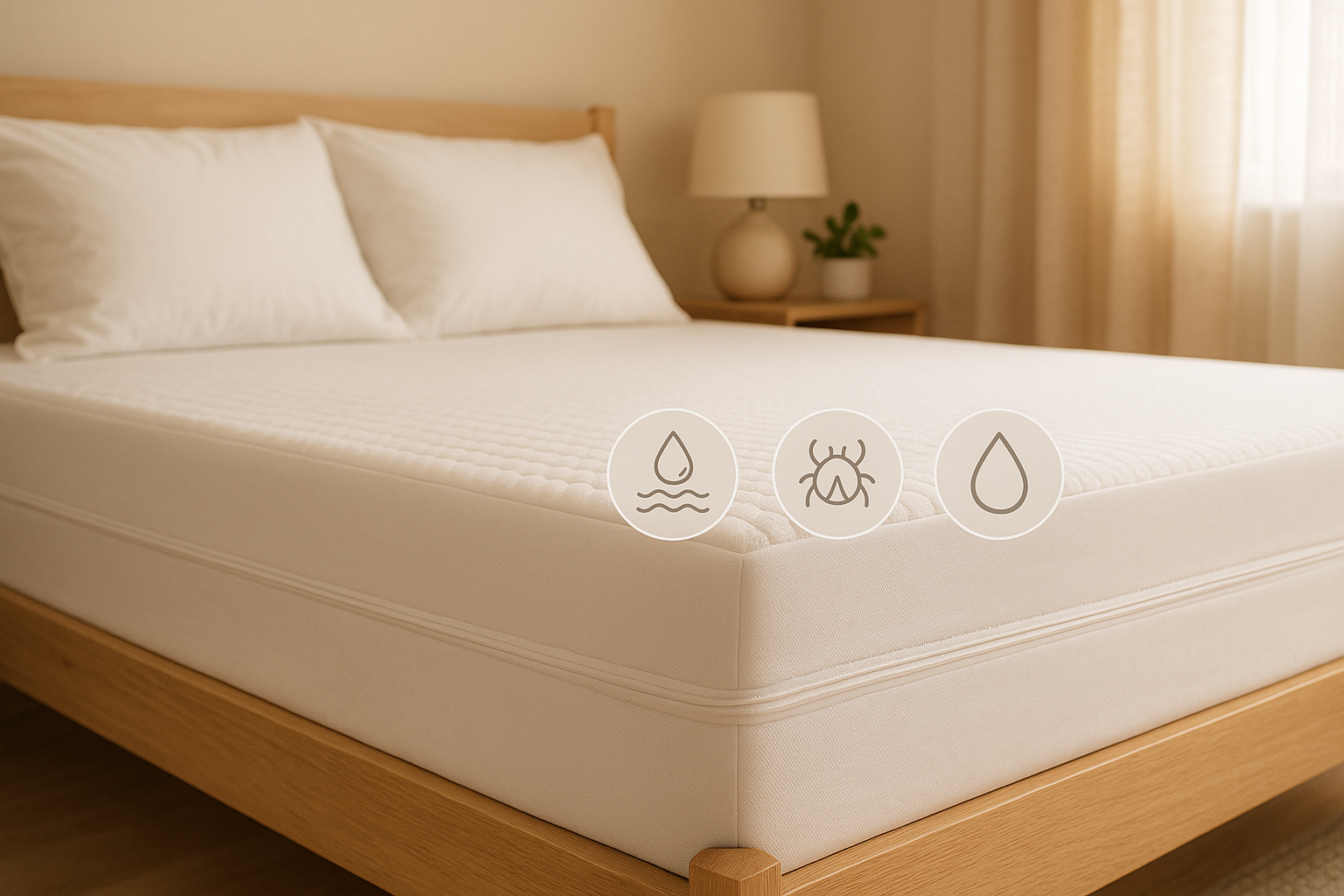
A mattress suited to your body type and sleeping position has a direct influence on the quality of your night — and therefore on snoring. A mattress that is too soft allows the body to sink, making it difficult and uncomfortable to maintain the side position; a mattress that is too firm creates pressure points at the shoulders and hips for a side sleeper, which encourages rolling onto the back.
For a side sleeper looking to limit snoring, a medium firmness mattress is often the best compromise: it provides enough support to maintain spinal alignment while allowing slight sinking in the wider areas of the body (shoulders, hips).
Pocket Spring Mattresses and Foam Mattresses
Pocket spring mattresses offer zoned support, which can help maintain the spine’s alignment in the side position. Memory foam mattresses, on the other hand, distribute pressure and limit unwanted movements, both advantages for a sleeper looking to stay stable on their side all night.
In both cases, the important thing is to choose a mattress that corresponds to your weight, body size, and primary sleeping position. A guiding tool or comparison can help you quickly target relevant models.
View on AmazonThe Bed Base and Angle Adjustment
An adjustable electric bed base allows you to incline the head of the bed without changing pillows. This is a solution particularly appreciated by couples where one partner snores: each can adjust their side independently. A gentle head incline (between 10° and 20°) replicates the effect of elevation without discomfort for the back.
Explore adjustable electric bed bases on AmazonOther Concrete Adjustments to Combine with Bedding
The environment and lifestyle habits play as important a role as the bedding itself, so here are some complementary adjustments that amplify the benefits of the right position and equipment:
- Hydrate the room: air that is too dry dries out the mucous membranes and worsens vibrations. An air humidifier maintaining a humidity level between 40% and 60% can make a noticeable difference.
- Ventilate and dust regularly: dust mites and allergens promote nighttime nasal congestion, which forces mouth breathing and triggers or amplifies snoring.
- Avoid alcohol after 7 PM: even moderate evening consumption relaxes the pharyngeal muscles more and intensifies snoring.
- Maintain a healthy weight: significant weight loss reduces snoring in overweight individuals by relieving pressure on the airways, making it one of the most powerful long-term levers.
- Nasal rinsing in the evening: a saline spray or saline rinse before bed clears the nasal passages and promotes smoother nasal breathing.
These gestures, combined with a suitable mattress, pillow, and sleeping position, form a coherent set that can significantly transform the quality of nights for moderate snorers.
To further explore sleep disorders and find solutions tailored to each sleeper profile, check out our dedicated section:
Find our other practical guides on sleep disorders to better understand and improve the quality of your nights.
FAQ — Snoring, Position, and Bedding
Is sleeping on your side really effective against snoring?
Yes, and it is often the first advice given by sleep specialists. The lateral position alone can reduce snoring by 50 to 70% because it prevents the tongue and soft palate tissues from collapsing backward into the throat due to gravity. This mechanism is particularly active in individuals whose snoring is termed “positional,” meaning it mainly occurs when they sleep on their back. If you snore both on your side and on your back, other anatomical or physiological factors are likely at play, and the opinion of an ENT doctor may be helpful. To facilitate maintaining the lateral position all night, several tips exist: place a firm pillow behind the back to prevent rolling over, use a body pillow, or opt for a pillow specifically designed to discourage back sleeping.
What type of pillow should you choose if you snore?
The choice of pillow depends on your primary sleeping position and the cause of your snoring. If you primarily snore on your back, an anti-snoring pillow with a central ridge or asymmetrical ergonomics can encourage you to stay on your side during the night. If you already sleep on your side, the priority is to choose a pillow of the right height: it should fill the space between your shoulder and head to keep the neck aligned with the spine without forcing excessive bending. A medium to high memory foam pillow often suits side sleepers well. Finally, regardless of the model chosen, remember to renew it every two to three years: a worn pillow loses its support capacity and accumulates allergens that can worsen nighttime nasal congestion.
Can the mattress really influence snoring?
Indirectly, yes. The mattress conditions the quality of postural support during sleep. An unsuitable mattress — too soft, allowing the body to sink, or too firm, creating painful pressure points — makes it difficult to maintain the side position all night. The sleeper then involuntarily rolls onto their back, which can trigger or worsen snoring. For a snorer looking to sleep on their side, a medium firmness mattress generally offers the best balance between spinal support and relief of pressure at the shoulder and hip. Pocket spring mattresses with differentiated zones or memory foam mattresses are among the most suitable options for this profile. It is not a miracle cure for snoring, but rather an element of a coherent set that, combined with the right positional and lifestyle habits, can make a real difference in daily life.
Should the head of the bed be elevated to snore less?
This is a viable option for many snorers. Elevating the head of the bed by 10 to 15 cm can significantly reduce the intensity of snoring by facilitating the drainage of nasal secretions and partially clearing the upper airways. This slight incline also limits the accumulation of mucus that promotes nighttime mouth breathing. This effect can be achieved with a thicker pillow, by sliding wedges under the head of the bed, or by opting for an adjustable electric bed base. However, be careful not to exaggerate the incline: beyond 20°, discomfort for the back increases and sleep quality may suffer. Moderate elevation is particularly useful during periods of congestion (cold, seasonal allergies) and combines very well with the side position for maximum effect.
How many people snore regularly in France?
Estimates vary according to studies, but it is generally considered that between 40 and 50% of adults snore occasionally, and about 25% do so regularly. Among them, a significant portion — estimated at around 4% according to the Haute Autorité de Santé — suffers from obstructive sleep apnea, a distinct and more serious condition. Regular snoring is therefore far from marginal: it affects millions of French people, and its consequences go well beyond mere noise nuisance. The quality of sleep for the snorer themselves is often degraded (micro-awakenings, fragmented sleep), and that of their bed partner is almost systematically affected. Acting on modifiable factors — position, bedding, lifestyle — is therefore a beneficial approach for the entire household.
Does the humidity of the air in the room influence snoring?
Yes, the ambient air in the room plays a often overlooked role. Air that is too dry dries out the mucous membranes of the nose and throat, making them more irritable and more likely to vibrate when air passes through. In winter, when heating systems significantly reduce indoor humidity levels, many people find that their snoring worsens. Maintaining a relative humidity level between 40% and 60% in the room, using an air humidifier, helps keep the mucous membranes hydrated and can alleviate snoring related to dryness. This measure complements bedding and sleeping position adjustments and is particularly relevant for individuals suffering from allergies or chronic rhinitis, where nighttime nasal congestion is a major aggravating factor.
Are there non-surgical medical devices to reduce snoring?
Yes, several devices can complement bedding adjustments when they are insufficient. Mandibular advancement devices (MAD), custom-made by a dentist or doctor, slightly advance the lower jaw during sleep, which clears the airways and reduces vibrations. Nasal dilators — whether internal (clamps) or external (adhesive strips) — can also improve airflow in snorers whose nasal congestion is the main factor. These solutions remain distinct from bedding and position adjustments but pair very well with them: a sleeper equipped with a MAD sleeping on their side, with a suitable ergonomic pillow, combines several action levers on the snoring chain. If in doubt about the device best suited to your situation, the opinion of an ENT doctor or stomatologist remains the most reliable approach.
When does snoring require a medical consultation?
Position, pillow, and bedding adjustments are relevant for moderate and positional snoring. However, if snoring is accompanied by observed breathing pauses by a companion, significant daytime sleepiness, recurrent morning headaches, persistent lack of concentration, or irritability, these signals may indicate obstructive sleep apnea syndrome (OSAS). This is a situation that goes beyond bedding solutions and requires the opinion of a doctor, ideally an ENT or sleep specialist. The article you just read is not intended to replace a medical diagnosis but to help you optimize your sleep environment for common snoring.