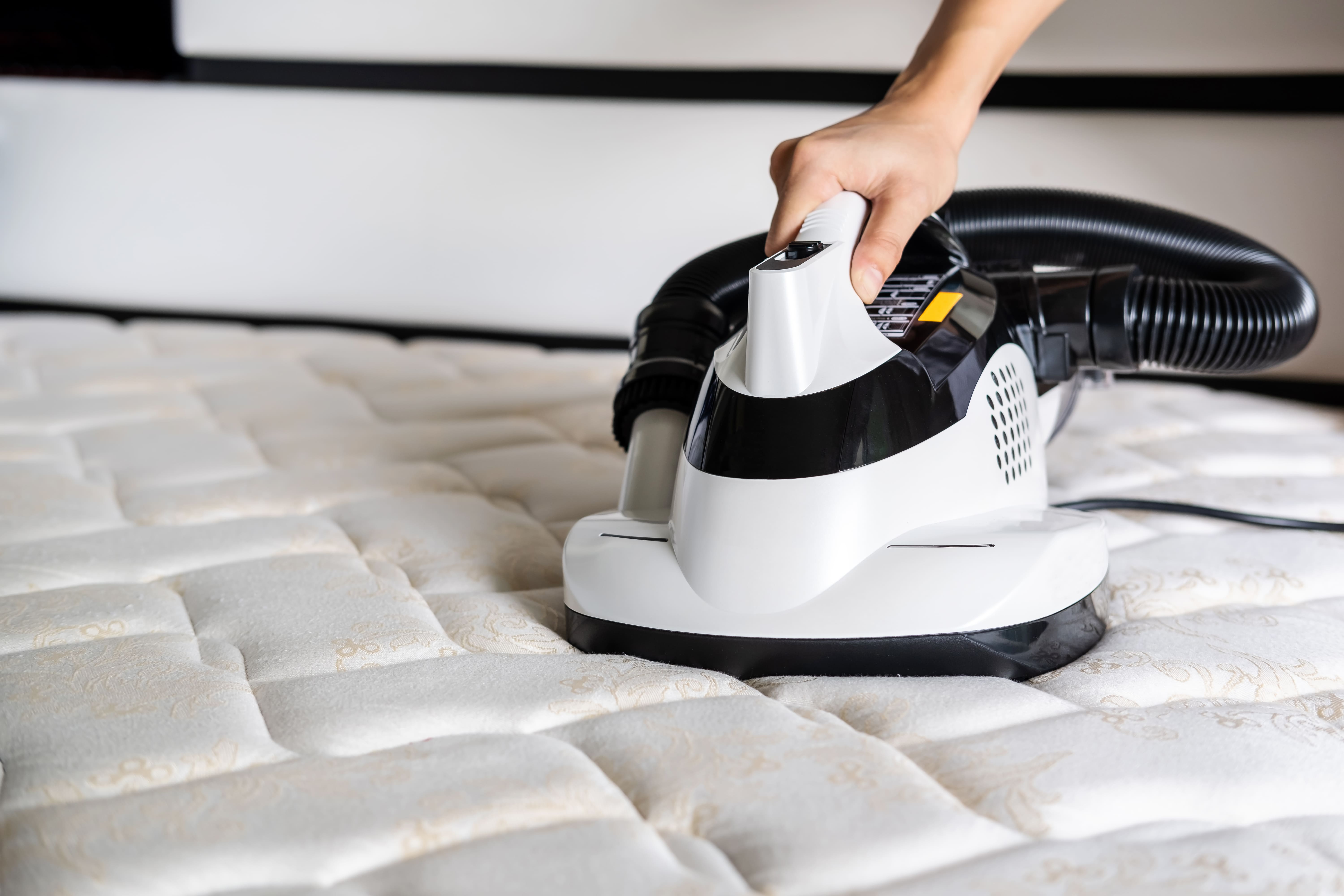
A mattress accumulates dust, allergens, dead skin cells, and moisture over time. It is estimated that an adult can release up to 40 centiliters of sweat per night. Without rigorous maintenance, this moisture seeps into the fibers, promoting the development of dust mites and bacteria. Cleaning your mattress is not just an aesthetic imperative; it is a crucial step to ensure the longevity of your bedding and the quality of your respiratory health.
Why is mattress cleaning crucial?
The mattress is the element of the home most exposed to bacterial proliferation due to human heat and darkness (under the sheets).
- Hygiene and health: The accumulation of dust mites is the leading cause of respiratory and skin allergies.
- Preservation of materials: Acidic moisture (sweat) prematurely degrades high-resilience foams and natural fibers.
- Thermal comfort: A mattress clogged with dust loses breathability, which alters its thermoregulating properties.
If your current mattress is too old or too stained to be salvaged, it may be time to consider a replacement to start fresh.
Maintenance and cleaning methods
Dry cleaning with baking soda
Baking soda is the number one ally for bedding. It has absorbent, deodorizing, and fungicidal properties.
- Sprinkle about 200g of baking soda over the entire surface.
- Let it sit for at least 4 hours (ideally all day).
- Vacuum thoroughly with a clean attachment.
Steam cleaning: beware of technologies
The steam cleaner is effective for killing dust mites due to heat. However, this method is strongly discouraged for memory foam (viscoelastic) or natural latex mattresses, as residual moisture and heat can alter the molecular structure of the material.
How to treat stubborn stains?
It is imperative to act locally without ever soaking the core of the mattress, or else internal mold may appear that is impossible to remove.
| Type of stain | Recommended solution | Application technique |
|---|---|---|
| Blood | Cold water + washing soda | Dab gently, never scrub |
| Urine | White vinegar + baking soda | Spray, let sit, then blot |
| Sweat | Diluted ammonia or lemon juice | Use a well-wrung washcloth |
| Coffee / Tea | Soapy water (Marseille soap) | Circular cleaning from the outside towards the center |
Prevent rather than cure: the importance of protection
The best way to keep a mattress clean is to prevent fluids and dust from reaching it. Using a breathable mattress protector is essential. Modern models use waterproof yet micro-perforated polyurethane membranes to allow air circulation — an effective protection that also extends the lifespan of your mattress .
View on AmazonWhen cleaning is no longer enough
Despite all your efforts, a mattress has a limited lifespan. After 10 years, or if mold stains appear, cleaning becomes superficial and hygiene is no longer guaranteed. If you notice signs of sagging or if your allergies flare up despite regular maintenance, it is recommended to change your bedding. Our guide on mattress recycling explains how to dispose of it responsibly.
For a sustainable replacement, “The Incredible Tediber Mattress” offers a removable and machine-washable cover, making daily maintenance much easier.
See “The Incredible Tediber Mattress” and its washable coverThe 5 golden rules from the expert matelas.com
- Daily airing: Open the windows for at least 15 minutes every morning while leaving the mattress bare (sheets folded at the foot of the bed).
- Monthly vacuuming: Use a vacuum cleaner with a HEPA filter to capture micro-particles.
- Washing bed linen: Sheets, covers, and pillowcases should be washed at 60°C every 7 to 10 days to eradicate dust mites.
- Rotation: If your mattress has two sides (summer/winter), flip it each season. Otherwise, rotate it (head/foot) every 3 months.
- Mandatory drying: After any wet cleaning, use a hairdryer (cool air only) or let it air dry for several hours before putting the sheets back on.
FAQ: Your questions about mattress maintenance
Can bleach be used on a mattress?
It is strongly discouraged to use bleach on a mattress. Too aggressive, it attacks the fabric (the covering material) and can irreversibly yellow the fibers, even weakening them to the point of tearing during the next wash of the cover. Its fumes are also irritating to the respiratory tract and can linger where you rest your head each night. To disinfect and remove stains safely, prefer hydrogen peroxide (3% hydrogen peroxide) on blood stains, diluted white vinegar to neutralize odors, and baking soda to absorb moisture. These natural solutions are both effective and respectful of materials.
How to remove the smell of tobacco or mustiness?
Baking soda is the most effective ally against ingrained odors. Mix about 200 g with a few drops of essential oil of lavender, eucalyptus, or tea tree, generously sprinkle the entire surface of the mattress, then let it sit for at least 6 hours (ideally all day) before vacuuming thoroughly with a clean attachment. Baking soda absorbs moisture and neutralizes odor molecules rather than masking them. For very stubborn odors, repeat the process two or three times, and take advantage of a sunny day to air the mattress outside: UV rays have a natural deodorizing and purifying effect. Then remember to ventilate the room daily to prevent the reappearance of musty odors.
Is it possible to wash a mattress cover?
Only if the mattress is removable (has a zipper). Always check the label: some covers cannot withstand machine washing and require dry cleaning.Does the steam cleaner really kill bed bugs?
Yes, the intense heat of steam (above 60°C) can kill bed bugs and their eggs, but this requires a very slow and meticulous pass through all seams. For a confirmed infestation, professional intervention is recommended.How often should you clean your mattress?
A complete cleaning with baking soda is recommended once or twice a year, ideally in spring and autumn, during seasonal bedding changes. Between these deep cleanings, adopt a few regular gestures: air the room daily by leaving the mattress bare, vacuum its surface once a month with an attachment equipped with a HEPA filter, and wash all bed linen at 60°C every week to eradicate dust mites. If a household member is allergic, asthmatic, or if a pet sleeps on the bed, increase the frequency of deep cleanings. Conversely, the systematic use of a breathable and waterproof mattress protector significantly reduces soiling and allows for longer intervals between heavy cleaning operations.