We optimize our diet, count our steps, supplement with vitamins — and yet, the number one lever for health remains the most neglected: sleep. Not because we ignore it, but because we underestimate how just one bad night’s sleep is enough to disrupt the entire system. Science is unequivocal: sleeping well changes everything, literally.
Sleep and Physical Health: Immunity, Heart, Metabolism
During deep sleep, the body secretes growth hormone, repairs muscle tissues, and strengthens immune defenses. Studies from Carnegie Mellon University have shown that people sleeping less than 6 hours per night are four times more likely to catch a cold after exposure to the virus, compared to those sleeping 7 hours or more.
In terms of cardiovascular health, chronic sleep deprivation raises blood pressure, increases cortisol levels, and promotes systemic inflammation — three major risk factors for heart disease. The World Health Organization has classified night shift work as a probable carcinogen due to the prolonged circadian desynchronization it causes.
Metabolism is not spared: just one short night reduces insulin sensitivity by 25%, according to a study published in Annals of Internal Medicine. In short, your body manages glucose less effectively the morning after a bad night.
Sleep and Mental Health: Concentration, Memory, Mood
REM sleep (dream phase) plays a central role in memory consolidation and emotional processing. During this phase, the brain sorts through the day’s information, strengthens useful learning, and neutralizes emotionally charged memories — a mechanism that neuroscientist Matthew Walker compares to “a free nightly therapy.”
Conversely, lack of sleep amplifies the activity of the amygdala (the emotional center of the brain) by 60% in response to negative stimuli. The result: irritability, excessive stress reactivity, persistent negative thoughts. In the long term, sleep disorders are one of the most well-documented risk factors for depression and anxiety disorders.
Concentration and working memory collapse after just 18 hours without sleep — a cognitive decline equivalent to a legal blood alcohol level for driving.
Sleep and Performance: Sports, Work, Creativity
High-level sports teams understood this before anyone else. The NBA, NFL, and Olympic swimming teams have all integrated sleep protocols into their training. By extending their sleep time to 10 hours per night for several weeks, Stanford basketball players improved their shooting accuracy by 9% and their sprint speed by 5%.
At work, employees who sleep less than 6 hours show a 29% reduction in productivity compared to those who sleep 8 hours — a figure derived from an analysis by the RAND Corporation covering five countries. Creativity, which heavily relies on REM sleep to establish novel connections between ideas, is one of the first victims of shortened nights.
Sleep and Weight: The Role of Hunger Hormones
The link between lack of sleep and weight gain is hormonal, not just behavioral. An insufficient night leads to an increase in ghrelin (hunger hormone) and a decrease in leptin (satiety hormone). The result: increased appetite the next day, particularly for sweet and fatty foods — exactly those with the highest caloric density.
Researchers from the University of Chicago showed that, with the same caloric intake, sleep-deprived individuals lost 55% less fat than a group that slept normally. In other words, you cannot effectively lose weight without sleeping well, regardless of the strictness of the diet.
How Many Hours Do You Really Need to Sleep?
The recommendations from the National Sleep Foundation are clear:
- Adults (18–64 years): 7 to 9 hours per night
- Seniors (65 years and older): 7 to 8 hours
- Teenagers (14–17 years): 8 to 10 hours
These ranges reflect real biological variations. Less than 5% of the population has a genetic mutation (ADRB1) that allows them to function fully on 6 hours of sleep. If you think you are part of this minority, the chances are very slim — most “short sleepers” are simply suffering from chronic deprivation to which they have adapted.
Quality matters as much as quantity. Seven fragmented hours are worth less than six continuous and deep hours — which is why the environment and bedding play as crucial a role as duration itself.
Where to Start: 5 Concrete Actions
- Set Stable Schedules: Go to bed and wake up at the same time every day, including weekends. In two weeks, your circadian rhythm stabilizes, and falling asleep becomes natural.
- Turn Off Screens 60 Minutes Before Sleeping: Blue light blocks melatonin and delays sleep onset by 30 to 90 minutes. Replace them with reading or a relaxing routine.
- Keep the Bedroom Cool and Dark: Between 17 and 19 °C, body temperature drops more easily, which promotes deep sleep onset. Blackout curtains improve sleep continuity, especially in summer.
- Limit Caffeine After 2 PM: The half-life of caffeine is 5 to 7 hours. A coffee at 3 PM still has half of its stimulating effect at 8 PM.
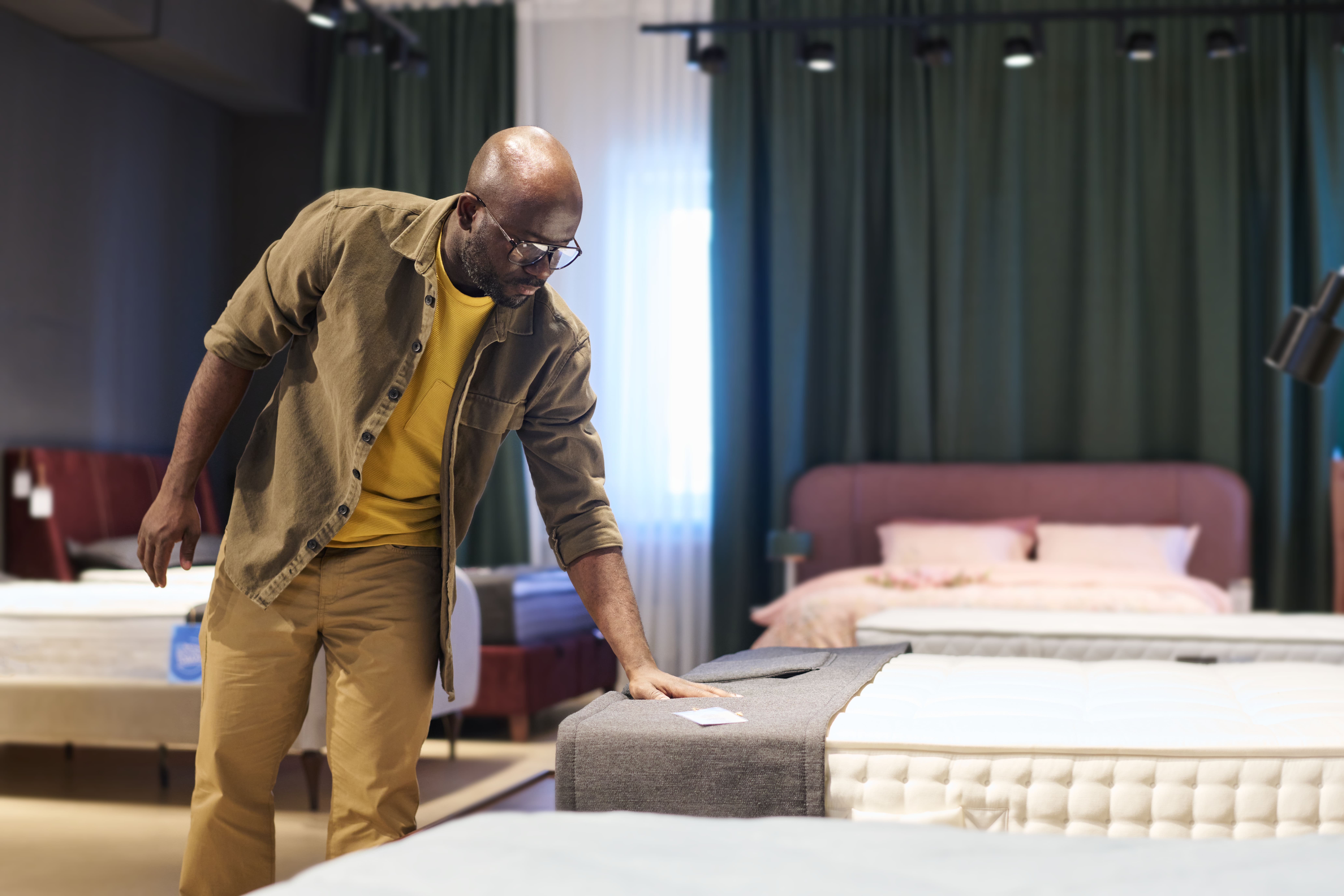
- Evaluate Your Bedding: A sagging or unsuitable mattress causes micro-awakenings that you don’t remember but fragment your cycles. If you sleep better away from home, it’s a strong signal. Check out our complete guide to choosing a mattress for back pain to identify essential criteria.
To delve deeper, find our 10 practical tips for better sleep without medication — each supported by scientific data and applicable starting tonight.
FAQ
Can we "make up" for lost sleep on the weekend?
This is a widely held belief, but the biological reality is more nuanced. While one or two nights of insufficient sleep can be partially compensated by sleeping in, the effects of chronic sleep deprivation — accumulated over weeks or months — cannot be easily made up. A study published in Current Biology in 2019 showed that people who compensated on the weekend after a week of sleep restriction did not regain their insulin sensitivity or cognitive performance to baseline levels. Worse, their caloric intake increased durably. Sleep debt does exist, but the “repayment” is partial and does not restore all affected systems. The sustainable solution is regularity: stable schedules seven days a week, rather than short week / long weekend cycles that constantly desynchronize the circadian rhythm.
Does sleep really influence our life expectancy?
Yes, and the epidemiological data is converging. A meta-analysis involving over a million participants published in the journal Sleep established that regularly sleeping less than 6 hours per night is associated with a 12% increased risk of all-cause mortality. Conversely, sleeping more than 9 hours is also associated with an increased risk, often linked to underlying conditions that extend time in bed. The optimal range is between 7 and 8 hours for the majority of adults. The mechanisms at play are multiple: reduced cardiovascular risk, better immune regulation, decreased chronic inflammation, protection against type 2 diabetes, and certain hormone-dependent cancers. In other words, sleep is one of the health behaviors with the most documented impact on longevity — ahead of many widely publicized dietary supplements.
Why do we always wake up at the same time at night?
Waking up consistently at the same time can have several origins. The most common is simply the cyclical structure of sleep: each cycle lasts about 90 minutes, and transitions between cycles involve a micro-awakening. If you go to bed at the same time every night, these transitions occur at the same moment — and a slight external stimulus (noise, light, temperature) can be enough to turn this micro-awakening into conscious waking. Another frequent cause is stress or anxiety, which activate the sympathetic nervous system in the second half of the night, when sleep is naturally lighter. A drop in alcohol (if you drank in the evening) can also trigger awakenings at 2–3 AM, as alcohol is metabolized in 3 to 4 hours and creates a rebound activating effect. If awakenings last more than 20 minutes several times a week, consult a doctor to rule out sleep apnea syndrome or underlying depression.
Does sleep have an impact on the skin and aging?
Yes, significantly. The expression “beauty sleep” is not just a metaphor: it is during deep sleep that the secretion of growth hormone peaks, triggering cell repair, collagen synthesis, and skin tissue regeneration. A study conducted by the dermatology clinic at Case Western Reserve University showed that “poor sleepers” exhibited twice as many signs of skin aging (wrinkles, spots, enlarged pores) as quality sleepers, and had a 30% reduced ability to recover after UV exposure. Conversely, a restorative night improves skin hydration, reduces under-eye bags (related to fluid retention), and gives a more even complexion. No anti-aging cream has demonstrated effects as rapid and systemic as a full night of sleep — at a lower cost.
How can I tell if my sleep is truly quality sleep?
Duration alone is an insufficient indicator. Quality sleep is characterized by several subjective and objective signs. Subjectively: you fall asleep in less than 20 minutes, you do not remember any prolonged nighttime awakenings, and you wake up naturally — or easily upon waking — with a sense of recovery, without needing coffee to function in the hour that follows. Objectively, a professional can assess your sleep through polysomnography or an actimeter, which measure cycles, the proportion of deep sleep, and the frequency of micro-awakenings. Alternatively, keeping a sleep diary for two weeks (bedtime, wake-up time, any nighttime awakenings, energy level in the morning on a scale of 10) can help identify patterns. If you snore heavily, if your partner reports breathing pauses, or if you feel exhausted despite 8 hours in bed, a consultation to explore sleep disorders is necessary before any other intervention.