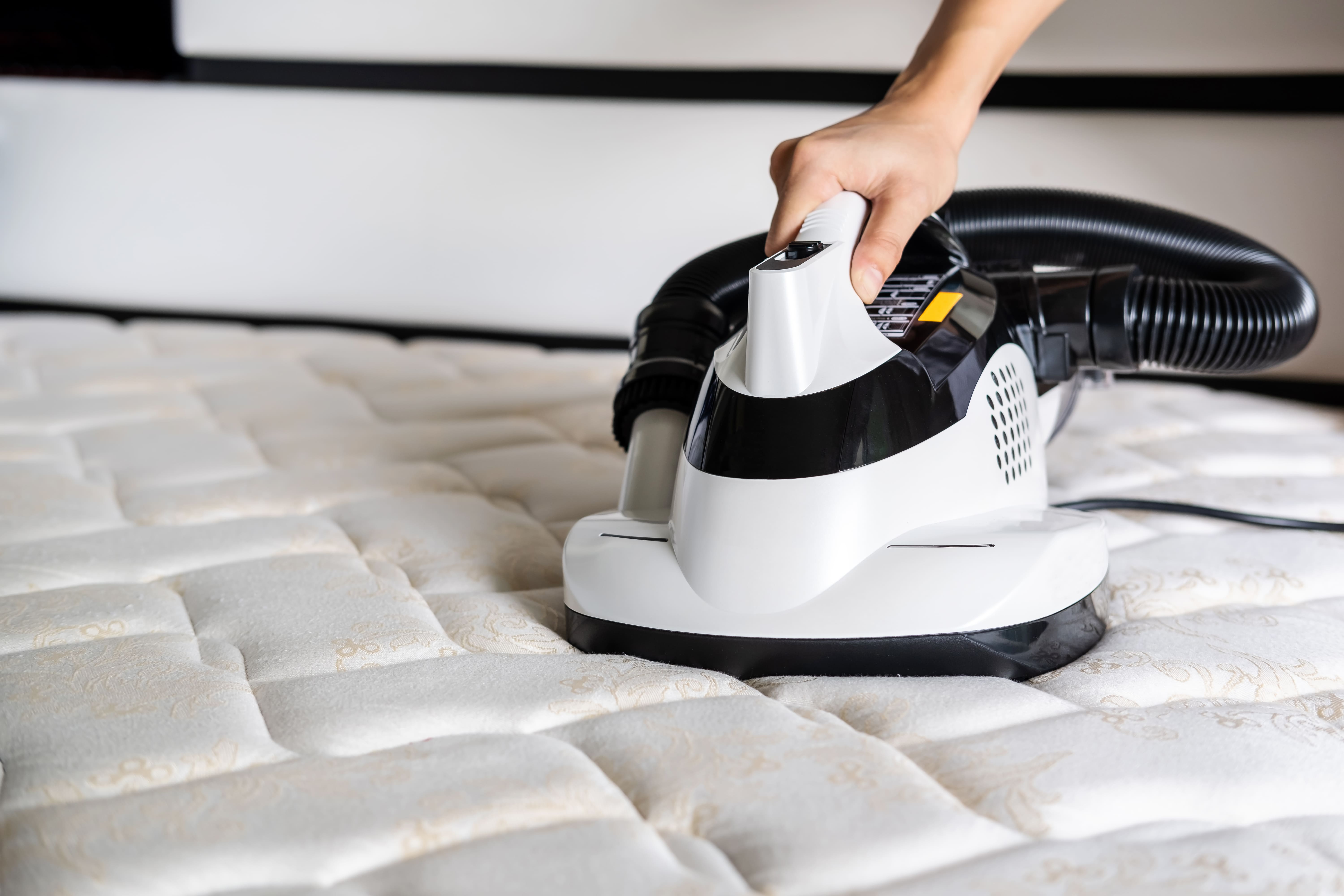
A mattress accumulates dust, allergens, dead skin cells, and moisture over time. It is estimated that an adult can release up to 40 centiliters of sweat per night. Without rigorous maintenance, this moisture seeps into the fibers, promoting the development of dust mites and bacteria. Cleaning your mattress is not just an aesthetic imperative; it is a crucial step to ensure the longevity of your bedding and the quality of your respiratory health.
Why is mattress cleaning crucial?
The mattress is the element of the house most exposed to bacterial proliferation due to human heat and darkness (under the sheets).
- Hygiene and health: The accumulation of dust mites is the leading cause of respiratory and skin allergies.
- Preservation of materials: Acidic moisture (sweat) prematurely degrades high-resilience foams and natural fibers.
- Thermal comfort: A mattress clogged with dust loses breathability, which alters its thermoregulating properties.
If your current mattress is too old or too stained to be salvaged, it may be time to consider a replacement to start fresh.
Maintenance and cleaning methods
Dry cleaning with baking soda
Baking soda is the number one ally for bedding. It has absorbent, deodorizing, and fungicidal properties.
- Sprinkle about 200g of baking soda over the entire surface.
- Let it sit for at least 4 hours (ideally all day).
- Vacuum thoroughly with a clean attachment.
Steam cleaning: beware of technologies
The steam cleaner is effective at killing dust mites due to heat. However, this method is strongly discouraged for memory foam (viscoelastic) or natural latex mattresses, as residual moisture and heat can alter the molecular structure of the material.
How to treat stubborn stains?
It is imperative to act locally without ever soaking the core of the mattress, or else internal mold may appear that is impossible to remove.
| Type of stain | Recommended solution | Application technique |
|---|---|---|
| Blood | Cold water + washing soda | Dab gently, never scrub |
| Urine | White vinegar + baking soda | Spray, let sit, then blot |
| Sweat | Diluted ammonia or lemon juice | Use a well-wrung washcloth |
| Coffee / Tea | Soapy water (Marseille soap) | Circular cleaning from the outside to the center |
Prevent rather than cure: the importance of protection
The best way to keep a mattress clean is to prevent fluids and dust from reaching it. Using a breathable mattress protector is essential. Modern models use waterproof but micro-perforated polyurethane membranes to allow air circulation — an effective protection that also extends the lifespan of your mattress .
View on Amazon View on AmazonWhen cleaning is no longer enough
Despite all your efforts, a mattress has a limited lifespan. After 10 years, or if mold stains appear, cleaning becomes superficial and hygiene is no longer guaranteed. If you notice signs of sagging or if your allergies flare up despite regular maintenance, it is recommended to change your bedding. Our guide on mattress recycling explains how to dispose of it responsibly.
For a sustainable replacement, “The Incredible Tediber Mattress” offers a removable and machine-washable cover, which greatly facilitates daily maintenance.
See "The Incredible Tediber Mattress" and its washable coverThe 5 golden rules from the expert matelas.com
- Daily airing: Open the windows for at least 15 minutes every morning while leaving the mattress bare (sheets folded at the foot of the bed).
- Monthly vacuuming: Use a vacuum cleaner with a HEPA filter to capture micro-particles.
- Washing bed linen: Sheets, covers, and pillowcases should be washed at 60°C every 7 to 10 days to eradicate dust mites.
- Rotation: If your mattress has two sides (summer/winter), flip it each season. Otherwise, rotate it (head/foot) every 3 months.
- Mandatory drying: After any wet cleaning, use a hairdryer (cold air only) or let it air dry for several hours before putting the sheets back on.