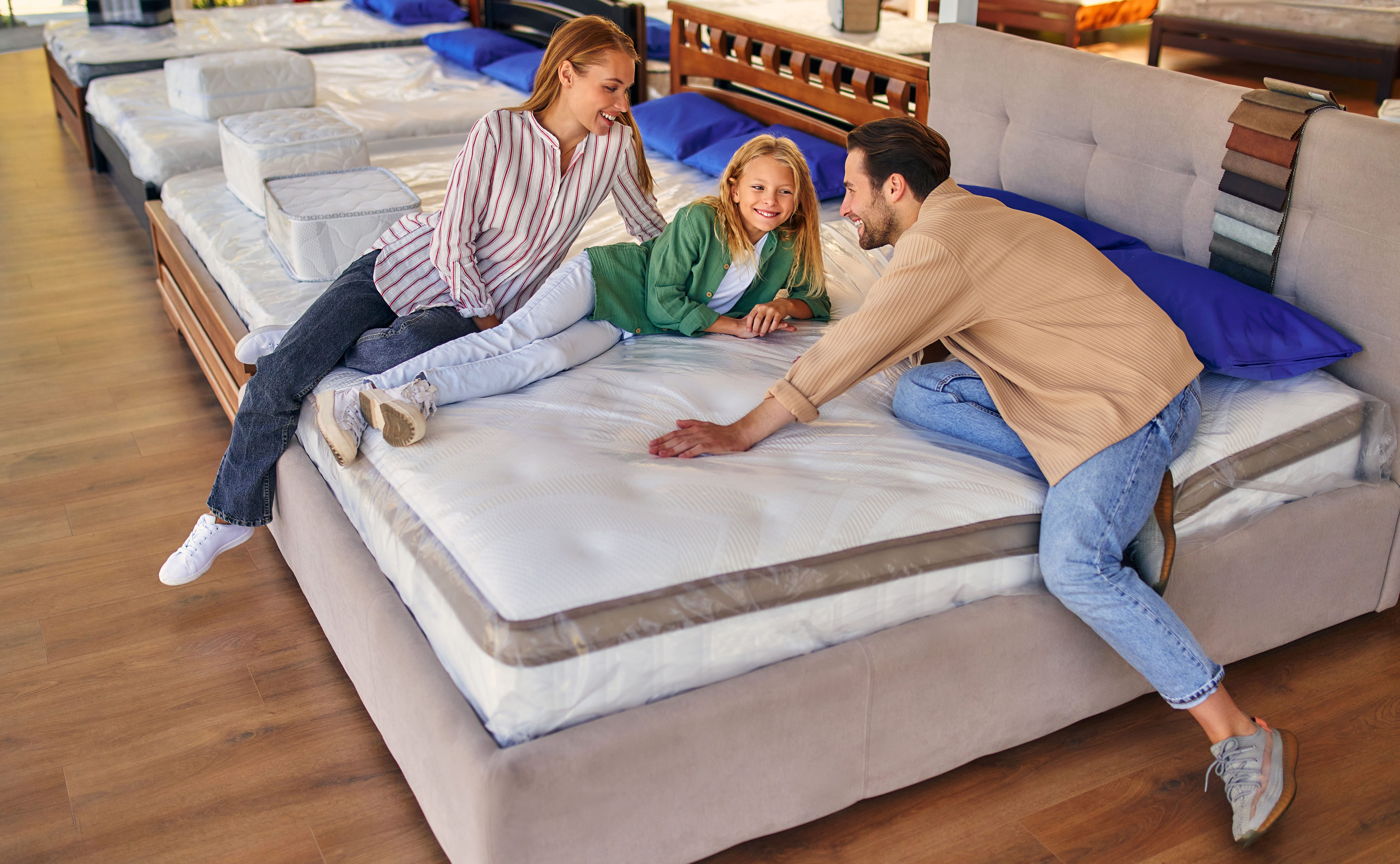
In response to the growing environmental concerns, sustainable bedding is becoming essential in many French households. Several national brands are making concrete commitments to offer healthier, more local, and more responsible bedding. Here is an overview of the major players in 2025.
Committed French Brands
Kipli
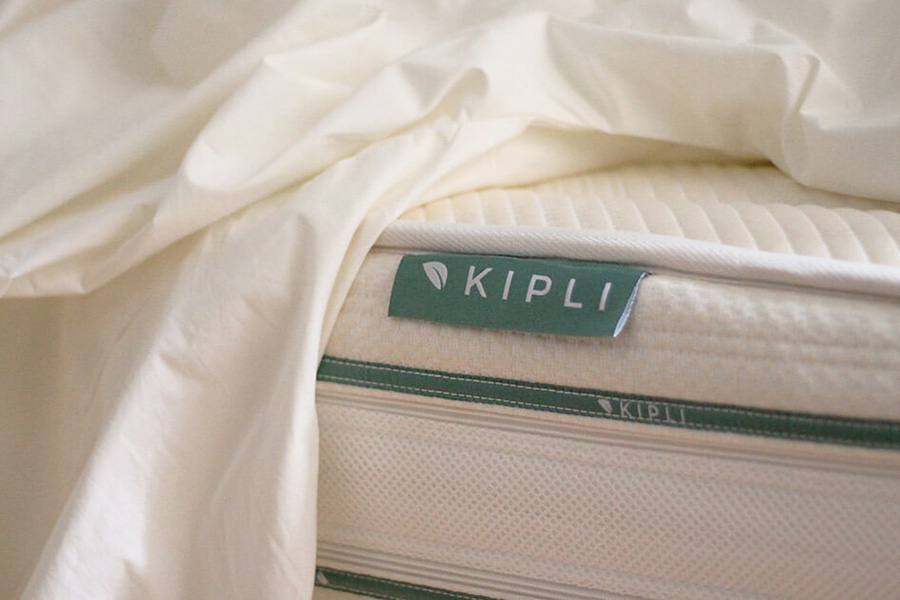
- Creation: 2017
- Positioning: high-end natural
- Commitments: no petrochemical foam, 100% natural latex, made in France/Italy
- Flagship products: double-sided mattresses, solid wood PEFC bed bases, Tencel duvet, organic bedding
Matelas No Stress
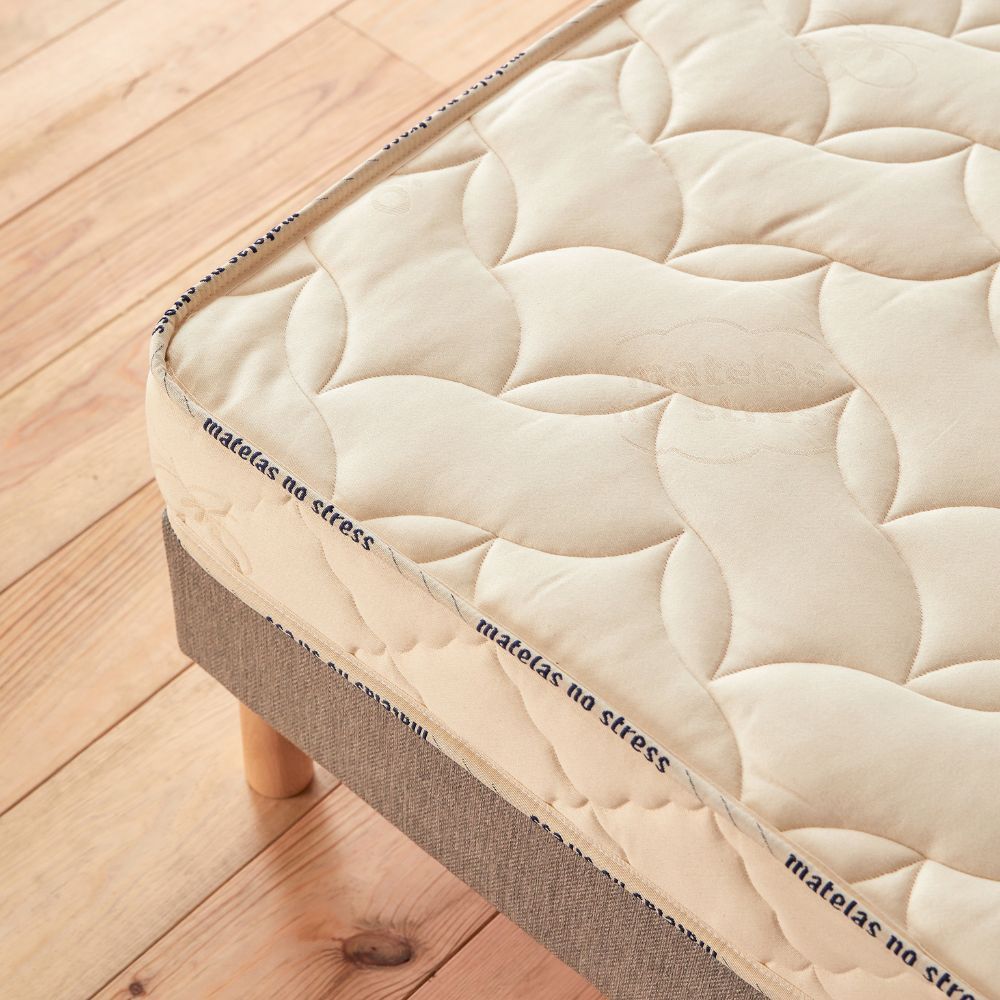
- Type: family-owned, artisanal
- Commitments: customization, durable materials, no chemical treatment
- Flagship products: natural latex mattresses, orthopedic mattresses, baby mattresses, ergonomic pillows
Cosme Literie
- Origin: Normandy
- Commitments: 100% natural materials, complete traceability, artisanal production
- Flagship products: latex mattresses, French wool, coconut, wool pillows, organic duvets
Bleu Câlin (Dodo Group)
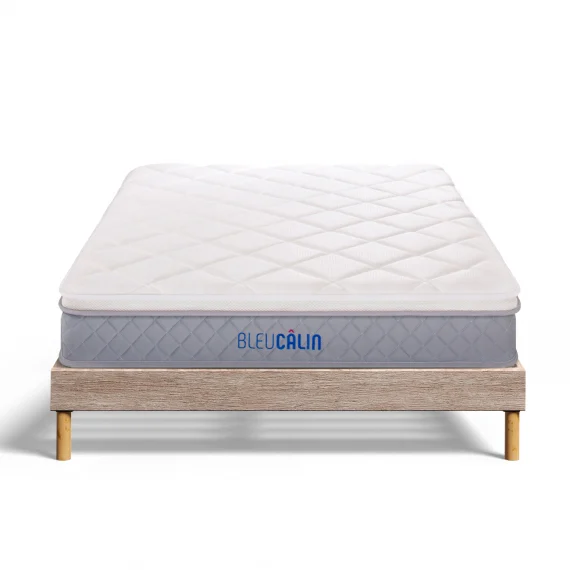
- Positioning: general public, accessible
- Commitments: recyclable products, fibers from bottles, evaluated CSR approach (EcoVadis)
- Flagship products: recycled pillows and duvets
Someo
- Location: Wattrelos (Hauts-de-France)
- Commitments: certified materials (latex, organic cotton), local production, bedding take-back, transparency
- Flagship products: Aube collection in natural latex, solid wood bed bases, recycled or natural pillows
For a detailed review of the brand, check out our complete Someo test .
Maintenance and Durability
- Lifespan:
- Natural latex: 10 to 15 years (Kipli, Cosme, Someo)
- Synthetic foam: 6 to 8 years (source INSV)
- Recommended maintenance:
- Regular airing
- Mattress rotation
- Washable cover
To learn more about maintaining your natural bedding, the ecological labels in bedding also allow you to verify the real commitments of manufacturers.
Quality/Price Ratio
- Kipli: ~€1,000 in 140x190 cm (premium positioning)
- No Stress: good quality/price ratio, customizable entry-level
- Cosme: from €1,200 to €2,000 depending on composition
- Bleu Câlin: accessible prices, textiles only
- Someo: mid-range, natural mattresses around €1,000
Alternatives to Consider
- Latexbio: 100% natural mattresses, solvent-free glue, competitive prices
- Naturalex: organic foam or memory foam, good compromise
- Hästens (Sweden): high-end 100% natural mattresses, very expensive
Expert Bedding Opinion
Committed French brands in sustainable bedding offer serious alternatives to large industrial players. Our recommendations by profile:
- For premium and natural comfort: Kipli, Cosme
- For a good local quality/price ratio: Matelas No Stress
- To try a recycled duvet at a low price: Bleu Câlin
- For a wide range, complete service, and fair price: Someo
🟢 Tip: define your priorities (budget, firmness, labels, place of manufacture) before purchasing. Sustainable bedding is a long-term investment.
Our two favorites to take action:
Discover Someo mattresses – French-made, certified latex Discover the Kipli mattress – 100% natural latex, no petrochemicalsFAQ
Are these products suitable for people with back pain?
Yes. Natural latex mattresses (Kipli, Cosme, Someo, No Stress) provide good back support and even pressure distribution.
Can you test or return these mattresses?
Kipli and Cosme offer 100 nights of trial with free return. No Stress and Someo also offer trial periods depending on retailers.
What is the average lifespan of a durable mattress?
10 to 15 years for natural latex compared to 6 to 8 years for synthetic foam (source: INSV).
Is a specific bed base required?
Yes. A rigid slatted or box spring bed base is recommended. Some brands offer their own compatible bed base.
How to verify the environmental commitments of a bedding brand?
Check for recognized third-party certifications: GOLS for organic latex, GOTS for organic textiles, OEKO-TEX Standard 100 for the absence of harmful substances, and PEFC/FSC for wood. Be wary of vague claims like "natural" or "eco-friendly" without independent labels. Transparency about the origin of raw materials and the place of manufacture is also a good indicator of sincere commitment.