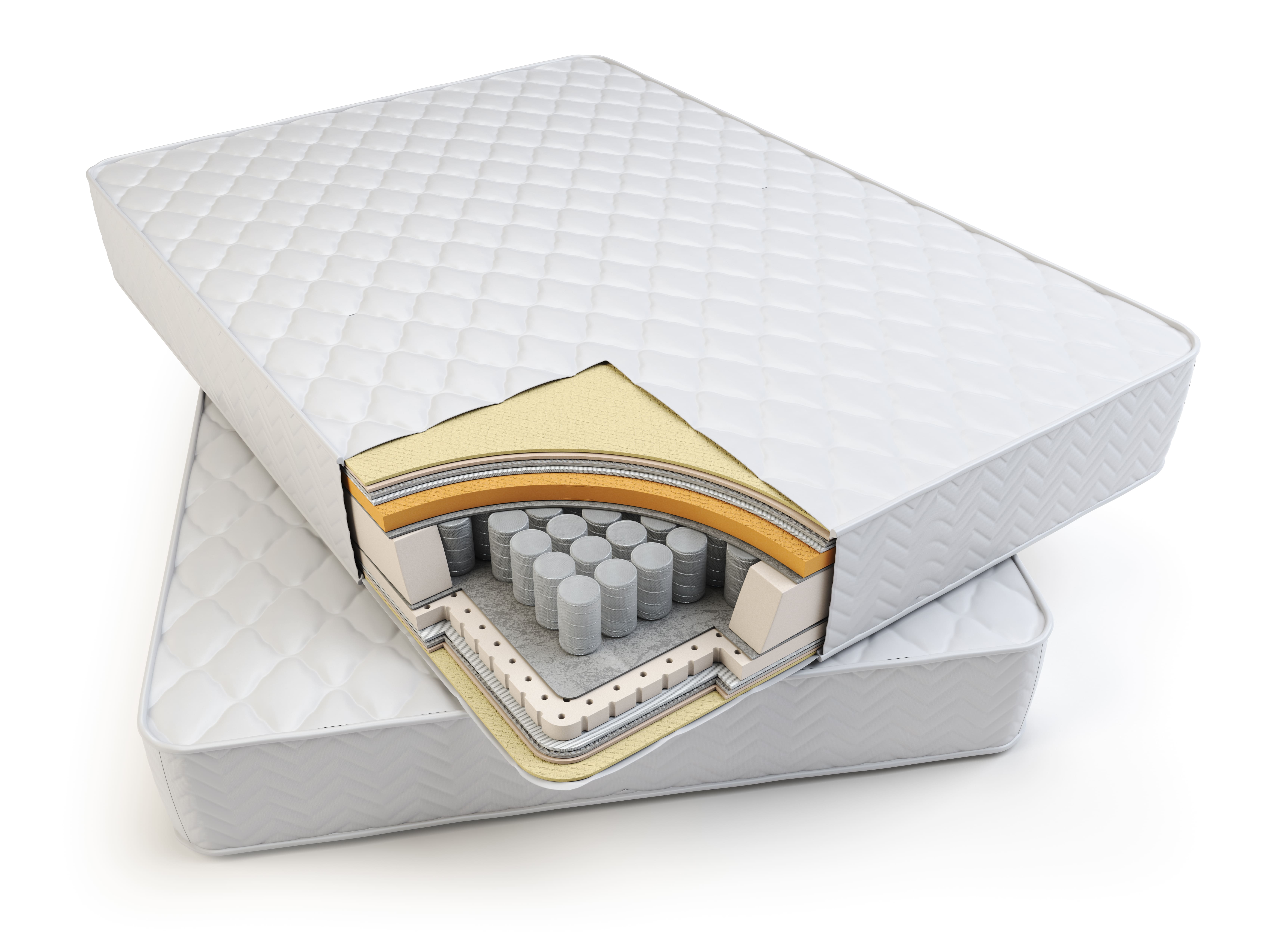
Choosing a mattress is an important decision: we spend around a third of our life on it. Among the many options available, three main technologies dominate the market: latex mattresses, foam mattresses, and spring mattresses. This guide aims to help you understand the fundamental differences between these three types, so you can make an informed and suitable choice for your needs.
Quick Comparative Table
| Technology | Comfort | Support | Thermoregulation | Durability | Budget |
|---|---|---|---|---|---|
| Latex | Elastic, bouncy | Excellent | Very good | Excellent (10–15 years) | High |
| Foam | Wrapping | Variable (according to type) | Medium to good | Average to good (5-10 years) | Affordable to medium |
| Springs | Tonic, ventilated | Firm and precise | Very good | Variable (8–12 years) | Wide range |
The 3 Technologies in Detail
The Latex Mattress
Latex can be natural (from rubber tree sap) or synthetic. Natural latex is more durable and elastic. There are 100% latex or hybrid mattresses. Thanks to its cells, it offers excellent ventilation, ideal for people who sweat.
The Foam Mattress
Three main categories of foam exist:
- Polyurethane foam: entry-level, low density.
- HR (high resilience) foam: good support, good value for money.
- Memory foam: conforms to the body’s curves, ideal against pressure points.
The Spring Mattress
Several technologies are available:
- Biconical springs: old models, little present today.
- Continuous coil springs: continuous structure, homogeneous support.
- Pocket springs: independent sleeping, very good ventilation, precise support.
Detailed Comparison
Comfort and Sleeping Sensation
- Latex: bouncy feeling, dynamic support.
- Foam: enveloping, cocoon effect (especially memory foam).
- Springs: firmer reception, tonic support.
Firmness and Support
- Latex: homogenous support, good back alignment.
- Foam: variable according to density; memory foam relieves pressure points.
- Springs: excellent for heavy body types.
Adaptation to Body Shape
- Latex: differentiated comfort zones.
- Foam: memory foam that adapts to contours.
- Springs: more standardized but effective support.
Thermal Regulation
- Latex: very good ventilation.
- Foam: sometimes too hot (except ventilated foams).
- Springs: excellent natural ventilation.
Durability
- Latex: very long lifespan (up to 15 years).
- Foam: depends on quality (5–10 years).
- Springs: good longevity if well designed.
Environmental Impact
- Natural latex: recyclable, biodegradable, low emissions if GOLS certified.
- Foam: chemical processes, low recyclability.
- Springs: recyclable metal, but complex assemblies.
Budget
- Latex: high initial investment, but significant longevity.
- Foam: accessible, excellent compromise.
- Springs: very wide range, good value for money in the mid-range.
Boxspring Compatibility
- Latex: advised for slatted bed bases.
- Foam: suitable for slatted or upholstered bed bases.
- Springs: ideal with spring or rigid slat bases.
Which Mattress According to Your Profile?
Specific Needs
- Nighttime sweating: latex or springs.
- Back pain: memory foam or zoned latex.
- Allergies: natural latex certified hypoallergenic.
Body Type
- High corpulence: pocket springs or firm latex.
- Slim silhouette: foam or soft latex.
Environment
- Hot climate: latex or springs.
- Shared room: memory foam or pocket springs (better sleep independence).
Personal Priorities
- Limited budget: HR foam.
- Eco-responsibility: GOLS certified natural latex.
- Maximum durability: latex or quality springs.
Expert Advice
How to Properly Test a Mattress?
- Lie down in your usual sleep position.
- Stay at least 10 minutes to feel the real comfort.
- If you sleep with a partner, test it together.
Things to Avoid at All
- Don’t pick based only on price.
- Not checking compatibility with your bed base.
- Neglecting temperature regulation.
Questions to Ask Before Buying
- Do I often get hot at night?
- Do I have recurring back pain?
- Is my current mattress adequate?
- My priority: comfort, budget, or durability?
FAQ
What is the average lifespan of each mattress?
Latex: 10–15 years
Foam: 5–10 years
Springs: 8–12 years
Are all mattresses compatible with an electric box spring?
No. Only certain foam and latex mattresses are compatible. Spring mattresses aren't recommended.
How to Care for Your Mattress?
Air your mattress regularly
Rotate or flip it as per recommendations
Use a washable protective cover