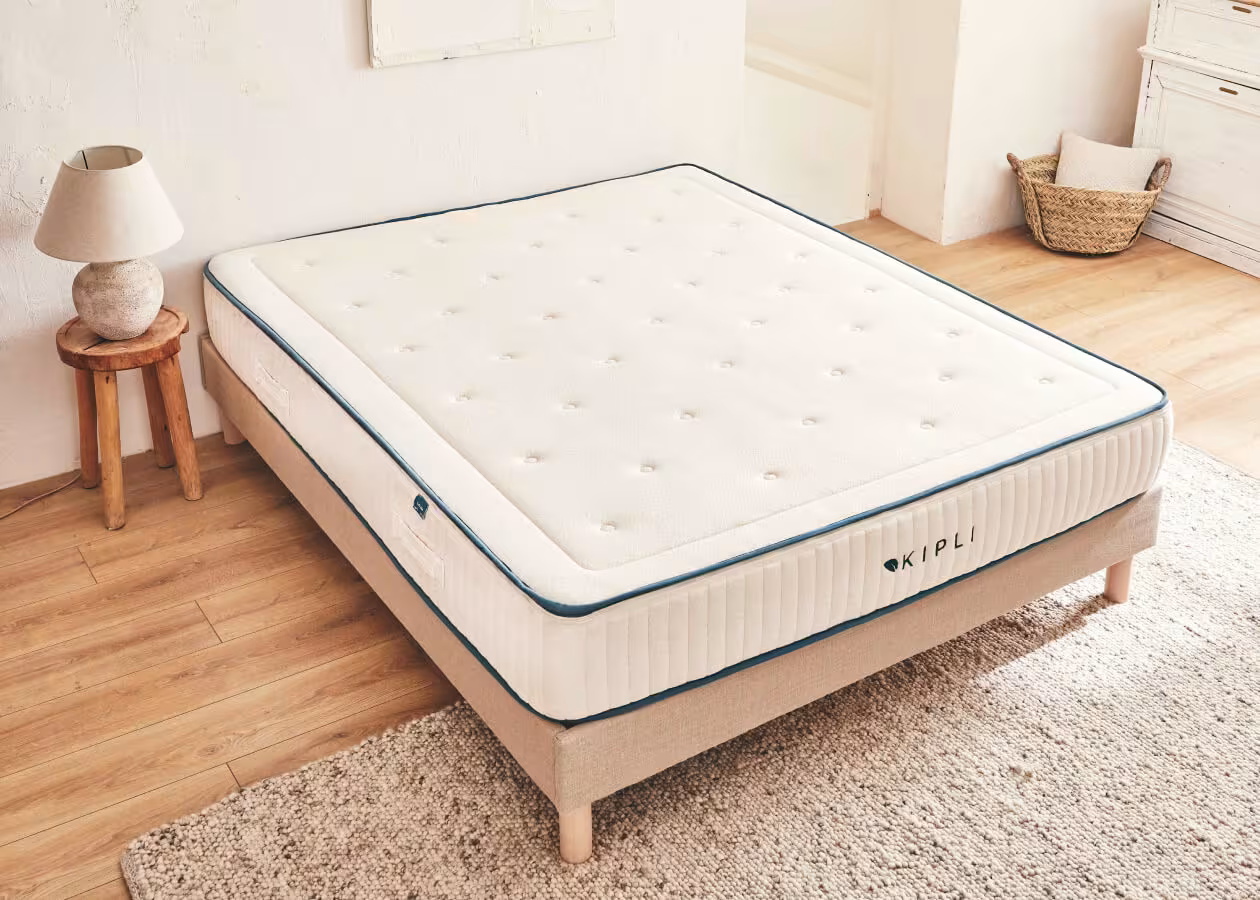
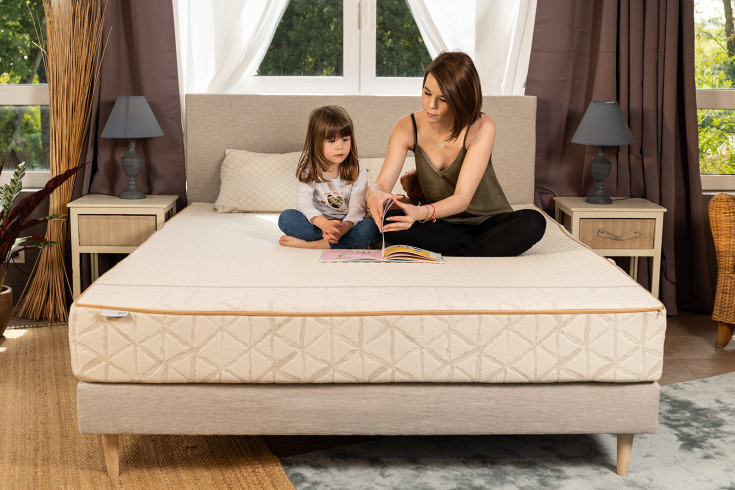
Latexbio Natural Latex Mattress Adult

Choosing a natural latex mattress is a step towards healthier, more sustainable, and environmentally friendly sleep. Unlike synthetic mattresses, these products stand out due to their composition based on rubber tree sap, their natural ventilation capacity, and their excellent resilience.

Why choose a natural latex mattress?

  • Health and comfort: morphological support, reduction of pressure points, limits micro-awakenings
  • Breathability: honeycomb structure promoting ventilation
  • Durability: up to 15 years of lifespan
  • Ecology: renewable material from rubber trees, often certified (GOLS, EU Ecolabel…)
  • Hypoallergenic: naturally dust mite and antibacterial

Important selection criteria

1. Composition and certification

  • Prefer 100% natural latex
  • Labels to check: GOLS, Oeko-Tex Standard 100, EU Ecolabel

2. Firmness and comfort

  • Soft, medium-firm, or firm according to your morphology and sleeping position
  • Differentiated zones recommended for back and cervical support

3. Thickness and density

  • Minimum thickness: 15 cm
  • Recommended density: between 65 and 90 kg/m³

4. Dimensions

To choose the right dimensions, consult our complete guide on the 160x200 mattress (Queen Size) or our King Size 180x200 mattress guide if you opt for a large format.

  • Standards: 140x190 cm, 160x200 cm, or 180x200
  • Custom sizes available from certain brands

5. Ventilation and cover

  • Ventilation channels, perforations, natural covers in organic cotton or Tencel

6. Price

  • Between €700 and €2,000, depending on certifications, thickness, and options

Our product recommendations

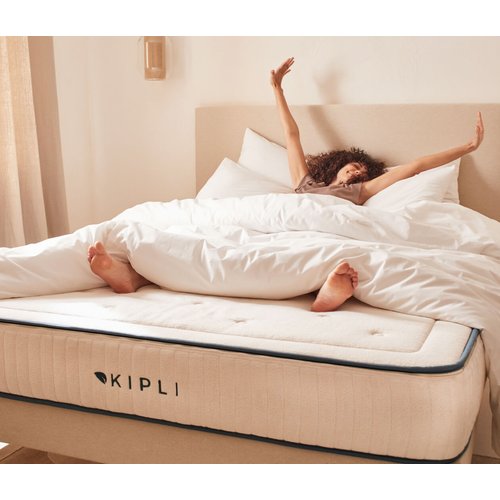
1. Kipli – 100% Natural Latex Mattress
Kipli

  • Description: two layers of GOLS certified latex, organic cotton and Tencel cover
  • Advantages: high comfort, independence of sleeping, 7 support zones, durable
Discover the 100% natural latex mattress Kipli

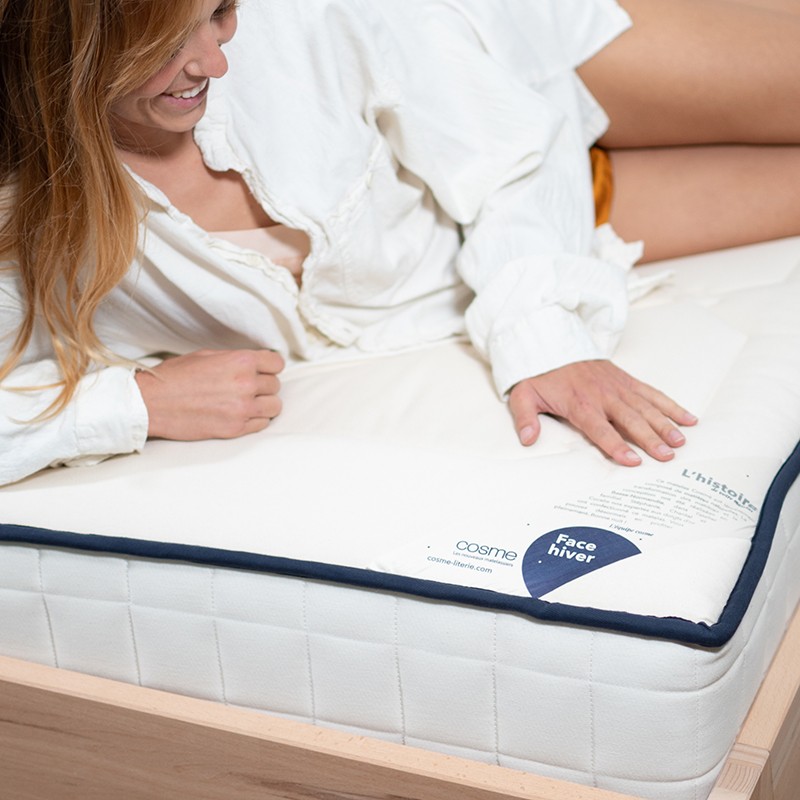
2. Cosme Literie – Natural Latex Mattress
Natural Latex Mattress 1

  • Description: GOLS latex, organic cotton cover, customizable firmness
  • Advantages: artisanal French manufacturing, high-end finishes
Discover the natural latex mattress Cosme Literie

3. Noctea – Natural Latex Mattress Louise
Firm Natural Latex Mattress Louise

  • Description: 100% latex, organic cotton cover, multiple firmness options
  • Advantages: good support, durability, made in France
Discover the Louise natural latex mattress by Noctea

4. LatexBio – Adult Natural Latex Mattress

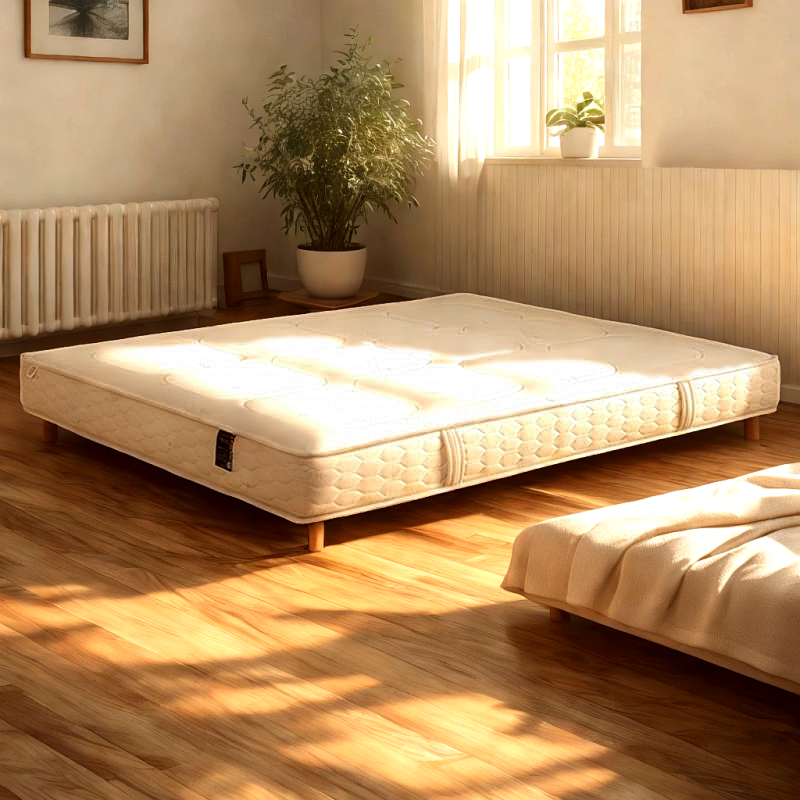
Latexbio Natural Latex Mattress Adult

  • Description: GOLS certified latex, organic cotton and Tencel cover, 7 zones
  • Advantages: high-end comfort, eco-friendly, excellent ventilation
Discover the LatexBio natural latex mattress View on Amazon

Expert advice

Maintenance tips

  • Air out the mattress every week.
  • Use a cotton mattress protector.
  • Rotate it regularly (every 2 to 3 weeks at first, then 3 to 4 times a year), also taking the opportunity to turn it head/foot.

Specific profiles

  • Allergic: opt for untreated latex and a washable cover
  • Hot sleepers: prefer a Tencel cover
  • Couples: choose a model with good sleeping independence

Mistakes to avoid

FAQ – Natural latex mattress

What is the lifespan of a natural latex mattress?A 100% natural latex mattress of good quality lasts on average between 12 and 15 years, significantly longer than a polyurethane foam mattress (7 to 10 years). This longevity is explained by the excellent resilience of rubber tree sap, which returns to its shape millions of times without compressing. To achieve this lifespan, prefer a density between 65 and 90 kg/m³, pair the mattress with a well-ventilated slatted base, and air out the room regularly to avoid humidity. A low-density latex or one mixed with synthetic materials will sag more quickly.
Is a latex mattress suitable for all body types?Yes, latex is suitable for most sleepers, provided that the density and number of comfort zones are adjusted to their weight and position. Light individuals (under 60 kg) will appreciate a soft to medium-firm latex that conforms to their curves, while those over 90 kg need a denser and firmer latex to avoid sinking too much at the hips. Models with 7 differentiated zones offer enhanced support under the lower back and a softer welcome for the shoulders, making them versatile for couples with different body types. If in doubt, consult our [mattress firmness guide](/fr/guides-achat/choisir-son-matelas/matelas-ferme-equilibre-ou-moelleux-comment-bien-choisir/).
Does natural latex have a smell?It may indeed emit a slight characteristic odor upon unpacking, somewhat vanilla or milky, typical of rubber tree sap. This smell is perfectly natural, harmless, and has nothing to do with volatile organic compounds (VOCs) that some synthetic foams may emit. It generally fades within a few hours to a few days. To speed this up, let the mattress air out in a ventilated room before putting on the sheets, quickly remove the plastic packaging, and open the window. A mattress certified GOLS or Oeko-Tex Standard 100 also guarantees the absence of harmful substances.
Can I use it with a slatted base?Yes, and it is even the best possible combination. Natural latex is a dense and honeycombed material that needs to breathe from below to expel moisture and remain healthy. A slatted base, preferably with slats spaced less than 4 cm apart to avoid weakening the core, allows air circulation and optimizes ventilation. However, avoid placing a latex mattress directly on a solid platform or a non-ventilated box spring, which would promote condensation and mold. To choose wisely, see our [bed base guide for natural latex mattresses](/fr/guides-achat/choisir-son-sommier/quel-sommier-pour-un-matelas-en-latex-naturel/).
Is it a good choice for allergic individuals?Yes, natural latex is naturally antibacterial and dust mite resistant. It is very suitable for allergic or asthmatic sleepers, provided you choose a model certified GOLS or Oeko-Tex to ensure the absence of chemical treatments.