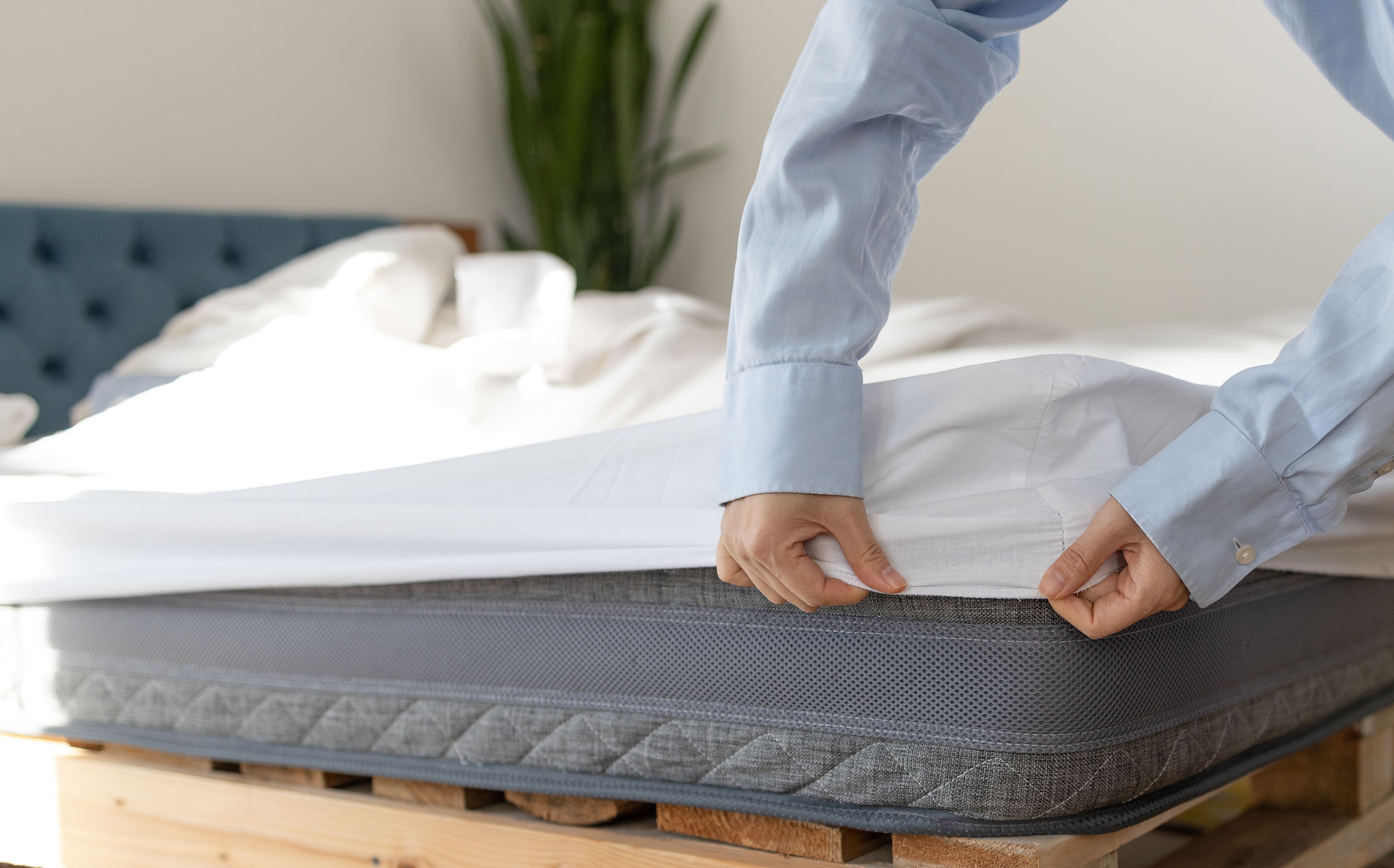
The choice of a mattress protector represents much more than just a bedding accessory purchase: it is a crucial investment to preserve your mattress, improve your sleep comfort, and maintain optimal hygiene in your bed. Given the diversity of options available on the market – waterproof mattress protectors, cotton, breathable, or hypoallergenic – it becomes essential to understand the specifics of each technology to make the right choice.
Quick Comparative Summary
| Type of Mattress Protector | Liquid Protection | Thermal Comfort | Main Target |
|---|---|---|---|
| Waterproof | Excellent | Medium | Families, children, pets |
| Cotton | Low | Excellent | Sleepers sensitive to heat |
| Breathable & Hypoallergenic | Good | Good | Allergic or demanding sleepers |
Presentation of Compared Options
Waterproof Mattress Protectors
The waterproof mattress protector is the maximum protection solution, integrating a polyurethane membrane that blocks liquids while preserving breathability. Some high-end models remain silent and flexible, limiting discomfort while sleeping.
Cotton Mattress Protectors
Cotton models prioritize breathability and comfort thanks to materials like fleece or flannel. Ideal for those sensitive to heat, they naturally absorb body moisture.
Breathable and Hypoallergenic Models
Designed for demanding or sensitive sleepers, these mattress protectors incorporate anti-dust mite treatments, antibacterial properties, and innovative fabrics (e.g., breathable viscose). They offer a good compromise between comfort, hygiene, and protection.
Detailed Point-by-Point Comparison
Comfort and Feel While Sleeping
- Cotton: natural, soft feel, minimally altering.
- Waterproof: thin additional layer, sometimes perceptible.
- Breathable: silky contact, good adaptability.
Thermal Regulation
- Cotton: excellent ventilation.
- Waterproof: may retain some heat (depending on quality).
- Breathable: designed to optimize ventilation.
Protection and Durability
- Waterproof: total barrier against liquids.
- Cotton: moderate absorption, but not waterproof.
- Breathable: medium to high protection, long-lasting treatment.
Maintenance and Practicality
- Waterproof: washable at 60 °C, easy disinfection.
- Cotton: gentle wash, slower drying.
- Breathable: varies by technology, often washable.
To find out how often to wash your bedding protection, check our guide on washing the mattress cover .
How to Choose According to Your Profile?
Families with Children or Pets
Prefer a waterproof model, easy to maintain, with a silent membrane to preserve sleep comfort.
Sleepers Sensitive to Heat
Opt for a natural cotton or breathable viscose mattress protector, which promotes the evacuation of heat and moisture. If you sweat a lot at night, also consider adapting your mattress — our guide how to choose a mattress when you sweat a lot covers this topic in detail.
Allergic Individuals
Look for a certified anti-dust mite mattress protector, ideally washable at high temperatures. Models with a full closure offer optimal protection against allergens. To also protect your mattress deeply, our article on mattress maintenance and protection provides additional tips.
Expert Advice
Essential Selection Criteria
- Compatibility with mattress thickness (check the height).
- Recommended OEKO-TEX certification.
- Attachment system: elastic corners, full skirt, or closure.
Common Mistakes to Avoid
- Do not confuse a mattress cover (only waterproof) with a mattress protector (more comfortable).
- Do not choose solely based on price: inadequate protection can harm your sleep.
- Avoid non-breathable models if you sweat a lot at night.
Find your ideal mattress protector → View on Amazon