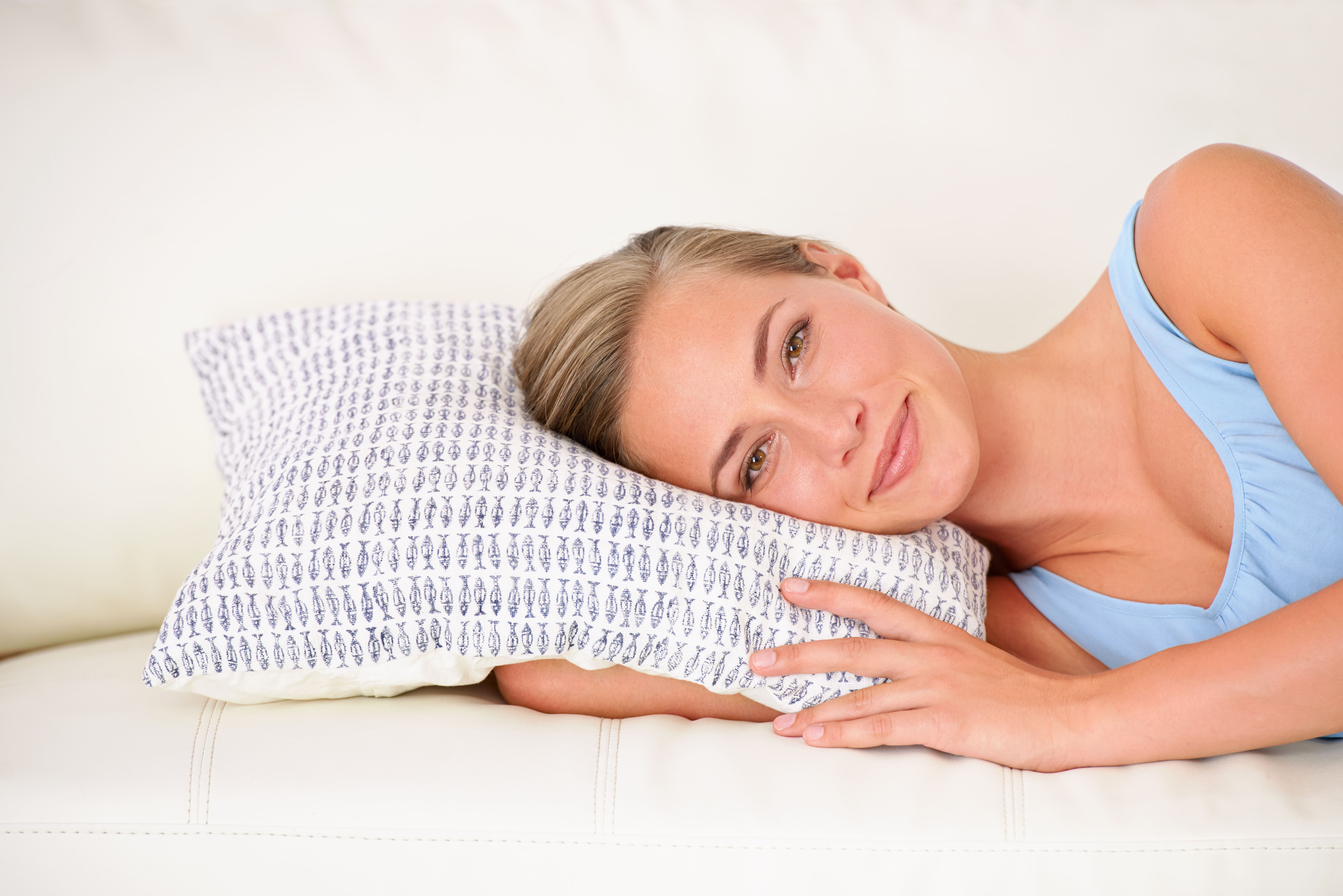
Cervical pain upon waking, recurring neck stiffness, or restless nights are symptoms often linked to an unsuitable pillow. In this context, ergonomic pillows are attracting more and more attention. Designed to fit the natural curvature of the neck, they promise more restorative sleep and better spinal alignment. However, not all are created equal, and their technologies vary widely. So, how can you know if an ergonomic pillow is right for you? And most importantly, which one should you choose? This comparative dossier provides you with all the keys to understand, compare, and choose.
Quick Comparative Summary
| Criterion | Memory Foam | Natural Latex | Hollow Siliconized Fibers |
|---|---|---|---|
| Comfort | Enveloping | Resilient | Variable softness |
| Neck Support | Excellent | Good | Average |
| Morphological Adaptation | Customized | Dynamic | Generic |
| Thermal Regulation | Average | Good | Excellent |
| Maintenance | Delicate | Easy | Easy |
| Durability | 3–5 years | 5–8 years | 2–3 years |
| Budget | Medium/high | High | Affordable |
| Environmental Impact | Variable | Good | Low |
Presentation of Compared Options
Memory Foam Pillows
Originating from aerospace research, these pillows use viscoelastic foam that is sensitive to body heat to conform to the contours of the head and neck. They are often recommended for chronic neck pain.
See the TEMPUR Original pillow (ergonomic, memory foam) on AmazonNatural Latex Pillows
Made from rubber tree sap, they offer resilient and elastic support. Their honeycomb structure promotes good ventilation, and their lifespan is above average.
Hollow Siliconized Fiber Pillows
More traditional, these pillows are filled with synthetic fibers that mimic the fluffiness of down. Their comfort is adjustable according to the chosen density, but the support is often less precise.
Detailed Point-by-Point Comparison
Comfort and Sleeping Feel
- Memory Foam: enveloping feel, excellent static support
- Natural Latex: dynamic comfort, bouncy effect
- Siliconized Fibers: soft touch, more diffuse softness
Firmness and Support
- Memory Foam: firm in the center, soft on the surface
- Latex: distributed support, high resilience
- Fibers: depends on weight, often low support
Adaptation to Morphology
- Foam: customized by thermal deformation
- Latex: quick return to shape, good compromise
- Fibers: little adaptability, generic shape
Thermal Regulation
- Foam: can retain heat
- Latex: naturally ventilated structure
- Fibers: very breathable
Durability and Maintenance
- Foam: sensitive to moisture, not washable
- Latex: naturally dust mite resistant, washable
- Fibers: machine washable possible, but wears out quickly
Environmental Impact
- Foam: depends on chemical components
- Natural Latex: renewable resource
- Fibers: derived from petrochemicals
Budget / Value for Money
- Foam: between €40 and €90
- Latex: between €60 and €120
- Fibers: between €15 and €40
Compatibility with Accessories
All these pillows are compatible with standard pillowcases, but certain shapes (cervical, cut-out) require specific covers.
How to Choose Based on Your Profile?
Based on Your Needs
- Excessive Sweating: prefer latex or fibers
- Cervical Pain: memory foam or latex
- Allergies: washable latex or fibers
According to Your Environment
- Hot Climate: latex or fibers recommended
- Shared Room: choose a quiet and stable pillow (foam or latex)
Based on Your Priorities
- Limited Budget: fibers
- Longevity: natural latex
- Eco-Responsible Approach: certified latex
Expert Tips
Tips for Testing a Pillow
- Lie down for 5 to 10 minutes on your back and then on your side.
- Check if the neck remains aligned with the spine.
- Listen to the sensations: heat, support, pressure.
Common Mistakes to Avoid
- Choosing solely based on softness to the touch
- Ignoring your usual sleeping position
- Thinking that a “universal” pillow suits everyone
Questions to Ask Yourself
- Do I often have neck pain upon waking?
- Am I willing to maintain my pillow regularly?
- What is the average temperature of my room?
For more information, check out our complete guide to choosing your pillow and our article on sleeping with or without a pillow .
Discover our selection of ergonomic pillows on lematelas.frFAQ
What is the average lifespan of an ergonomic pillow?
About 3 to 5 years for foam, up to 8 years for latex.
Is an ergonomic pillow compatible with all bed bases?
Yes, the type of bed base does not affect the effectiveness of the pillow.
Can an ergonomic pillow be washed?
For foam: no, only the cover. For latex or fibers: yes, according to the manufacturer's instructions.
Which ergonomic pillow should I choose for neck pain?
Memory foam remains the reference for cervical pain, thanks to its thermal adaptation to the contours of the neck. Natural latex is an excellent alternative with better breathability. In both cases, choose a height suitable for your usual sleeping position: higher for side sleeping, lower for back sleeping.
Is an ergonomic pillow suitable for all sleeping positions?
Not necessarily. Memory foam pillows are optimized for back and side positions. Stomach sleepers generally need a flatter model. Some pillows offer multiple zones of different heights to adapt to various positions.