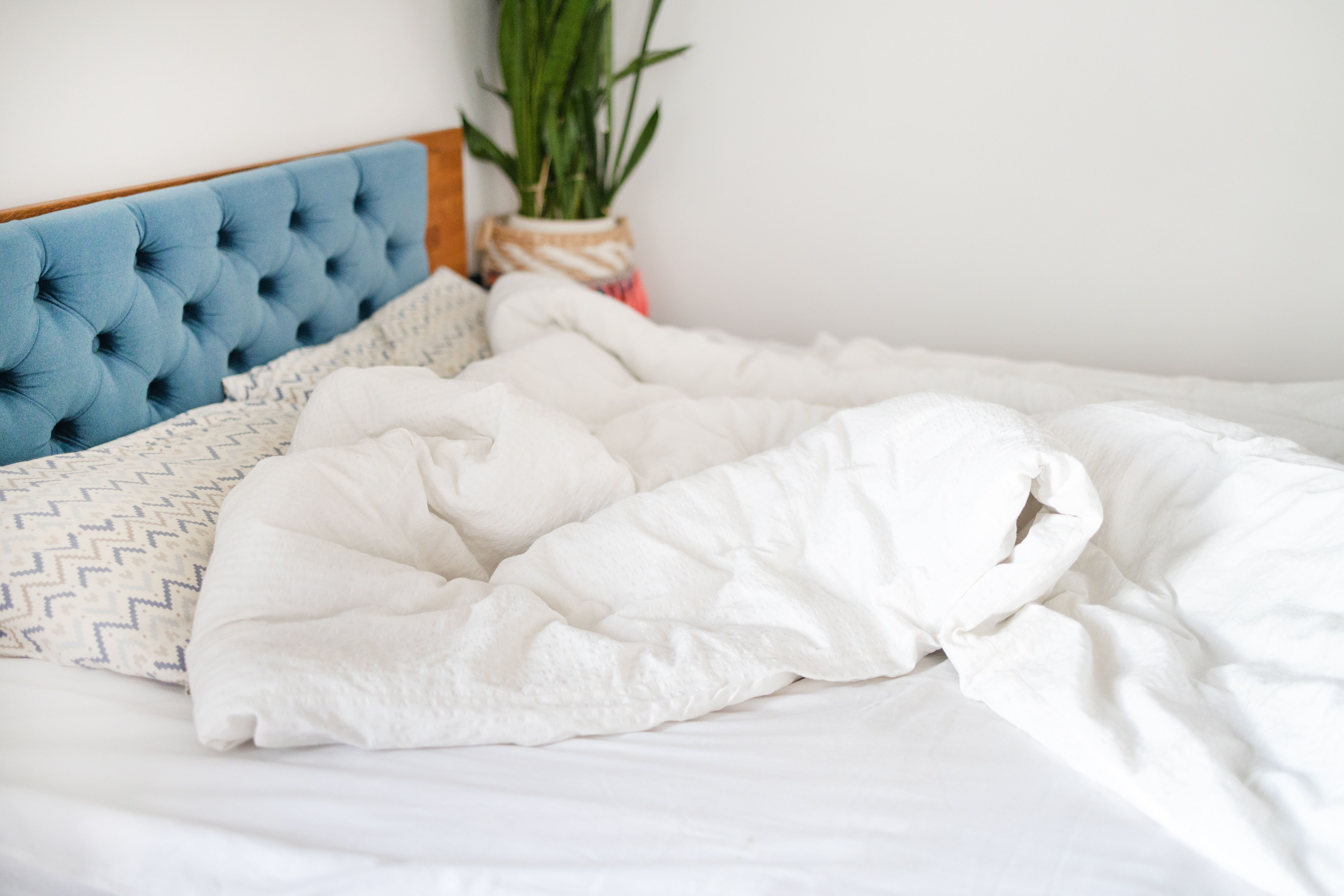
Natural down comforters are as fascinating as they are intriguing. Synonymous with high-end comfort, they are often seen as the pinnacle of winter cocooning. However, given their high price and the increasingly effective synthetic alternatives, a common question arises: is a down comforter really a justified investment or a superfluous luxury? In this file, we offer you a detailed comparison to help you make the right choice according to your needs.
Quick Comparative Summary
| Criteria | Natural Down Comforter | High-End Synthetic Comforter |
|---|---|---|
| Thermal Comfort | Excellent, natural, and breathable | Good to very good depending on filling |
| Maintenance | Delicate, dry cleaning recommended | Machine washable |
| Durability | Excellent if well maintained | Average to good |
| Budget | High | More affordable |
| Ecology | Biodegradable, attention to origin | Less durable, derived from petroleum |
| Allergies | Possible without treatment | Hypoallergenic |
Presentation of Compared Options
Natural Down Comforter
Made of feathers and down from geese or ducks, it offers very effective natural insulation. The down, taken from under the birds’ bellies, is lightweight and very fluffy. The highest quality models use new, non-recycled, certified down (e.g., DownPass, RDS).
Synthetic Alternatives
They use polyester fibers (classic, siliconized, hollow, microfibers) to mimic the fluffiness of down. Cheaper and easier to maintain, they are rapidly improving in comfort and thermal regulation.
Detailed Point-by-Point Comparison
Comfort and Sleeping Sensation
- Down: enveloping sensation, “cloud” effect, very light
- Synthetic: variable comfort, sometimes less fluffy
Morphological Adaptation
- Down: excellent adaptation to the body
- Synthetic: can create cold spots if poorly distributed
Thermal Regulation
- Down: absorbs moisture while retaining heat
- Synthetic: good for temperate climates, less breathable
Maintenance and Durability
- Down: 10 to 15 years with careful maintenance
- Synthetic: 5 to 8 years, machine washable
Environmental Impact
- Down: biodegradable, but depends on farming (ethics to verify)
- Synthetic: derived from petroleum, non-biodegradable
Budget
- Down: €150 to €500 or more
- Synthetic: €50 to €200, better value for money for small budgets
How to Choose According to Your Profile?
Specific Needs
- Night Sweating: natural down recommended
- Allergies: prefer a certified hypoallergenic synthetic comforter
- Need for Lightness: down remains the reference
To complete your bedding and maximize thermal comfort, a well-chosen mattress contributes as much as the comforter to regulating your body temperature during sleep.
Environment
- Cold Climate: choose a winter down comforter (300–400 g/m²)
- Temperate Climate: synthetic or mid-season down
Personal Priorities
- Tight Budget: synthetic
- Eco-responsibility: certified down or recycled fibers
- Longevity: down, if well maintained
To extend the lifespan of your entire bedding, also check our tips for maintaining and prolonging the life of your mattress — the same principles apply to your down comforter.
Expert Tips
Testing Tips
- In Store: fold the comforter in half, it should quickly fluff up
- At Home: observe sensations of warmth or cold spots after 2-3 nights
Mistakes to Avoid
- Choosing a comforter that is too warm for a temperate room
- Not checking quality labels: RDS, DownPass, Oeko-Tex
- Washing a down comforter without a specific program
Questions to Ask Yourself
- Do I get hot at night?
- Am I prone to allergies?
- Am I ready to maintain a high-end product?
FAQ
What is the lifespan of a down comforter?
10 to 15 years with proper maintenance.Can a down comforter be washed in a machine?
Only if it is designed for it. Otherwise, prefer professional cleaning.Is down allergenic?
It can be if not treated. Opt for a washed, sterilized, and certified model.Is a down comforter suitable for summer?
Yes, provided you choose a lightweight version (150–200 g/m²).How often should a natural down comforter be washed?
A natural down comforter should ideally be washed once or twice a year. Washing too frequently damages the fibers and reduces the fluffiness of the down. Between washes, air it out regularly by exposing it to fresh air (but not in prolonged direct sunlight). If your comforter is large (240x260 cm or more) or very thick, choose a laundromat with large capacity machines or a specialized dry cleaner. Always use a delicate program at a maximum of 40°C, and add tennis balls to the dryer to evenly redistribute the down after washing.The natural down comforter is not a trap, but it is not for everyone. It remains a reference in terms of comfort and thermal regulation, but requires a budget and rigorous maintenance.
Synthetic comforters, although often less durable, provide an accessible and practical alternative, especially for allergy sufferers or those on a tight budget.
The right choice depends on your real needs, your environment, and your sensitivity to thermal comfort.